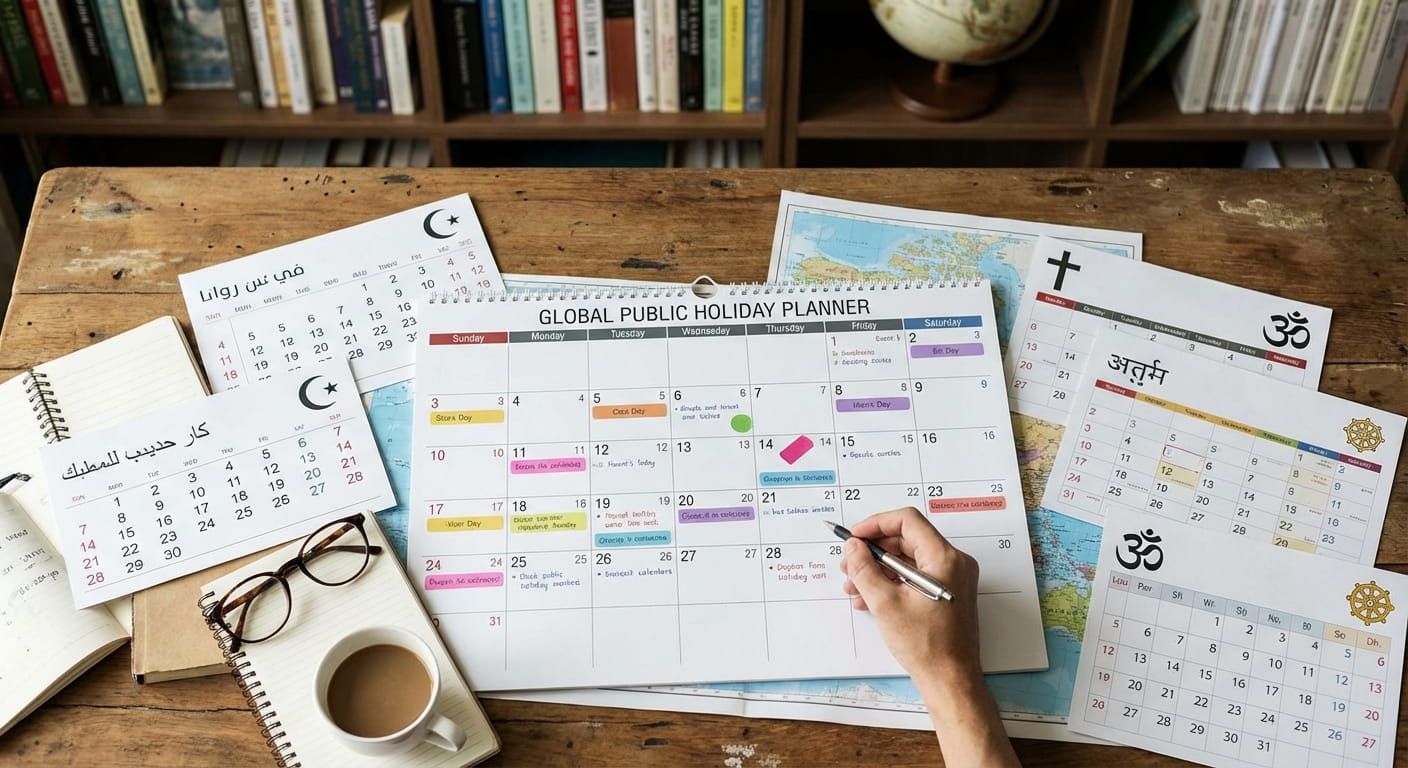
A public holiday calendar is a country’s group chat. It tells everyone when to pause, what to honor, and how to share time with neighbors who might worship differently, fast on different days, or celebrate on a different calendar entirely. In multi faith countries, that calendar has extra pressure. It must feel fair. It must be predictable enough for schools and payroll. It must stay flexible enough for lunar months, regional traditions, and new communities that grow over time.
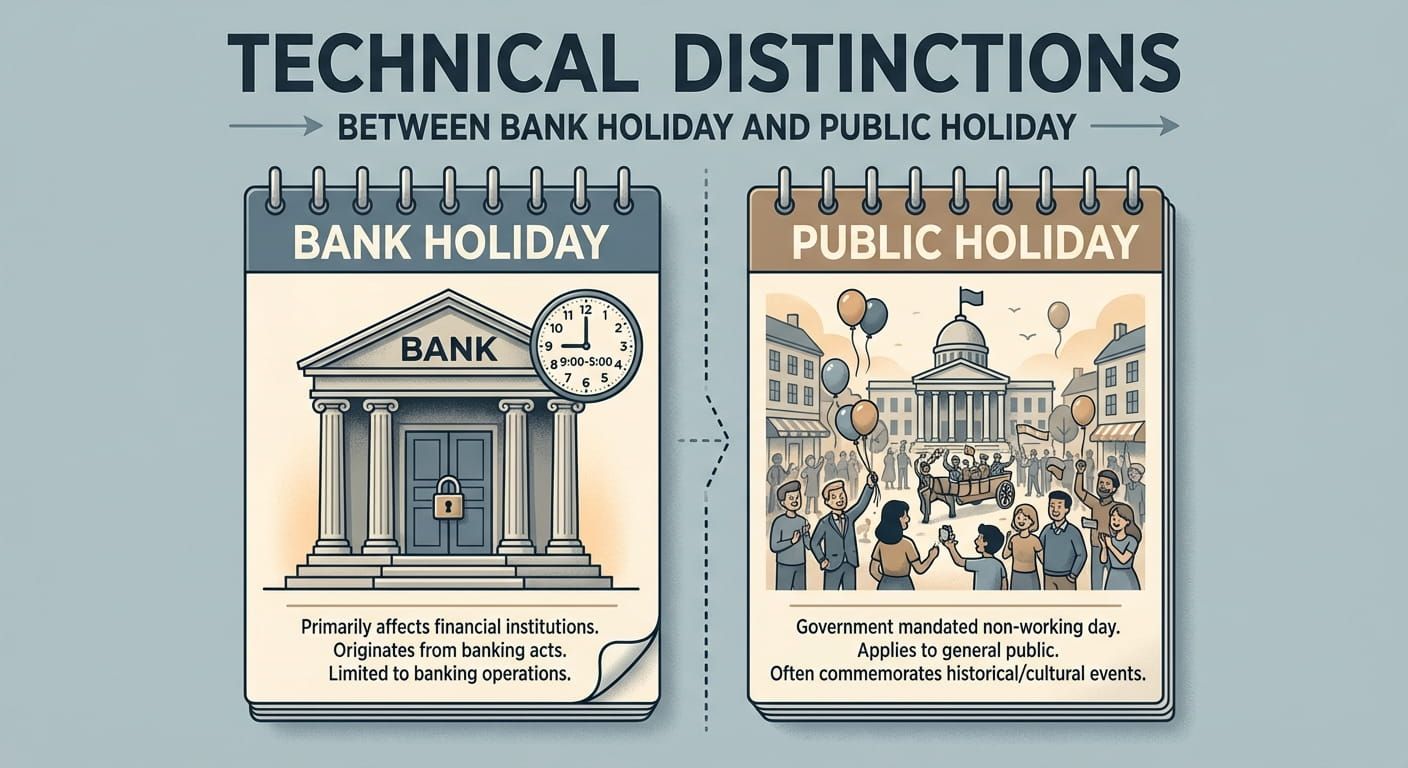
That is where a practical directory helps. Browsing upcoming dates in the holiday directory gives you the real shape of a calendar, not just the theory. You also start noticing the policy “glue” that keeps systems from breaking, the difference between bank holidays vs public holidays, the logic behind weekend public holiday rules, and how countries handle national vs subnational public holidays when regions follow different traditions.
Multi faith countries build public holiday calendars by mixing shared civic dates with faith based observances, then using rules to keep the year workable. Common approaches include a fixed core of national holidays, optional religious days, rotating or declared dates tied to lunar calendars, regional holidays where communities differ, and substitute days when celebrations land on weekends. The best systems publish dates early, explain eligibility clearly, and leave room for personal leave so no group feels erased.
Mini quiz to spot the patterns
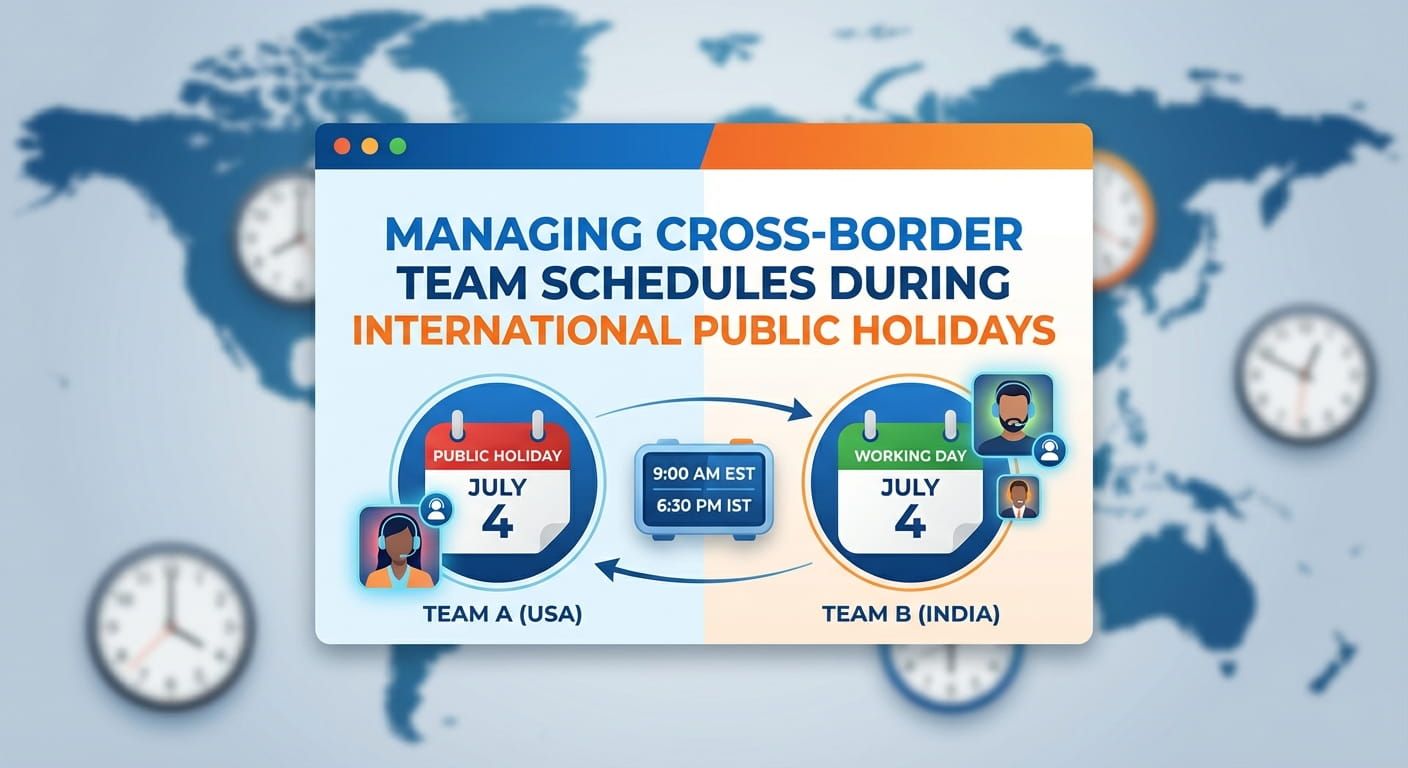
This quiz is about how calendars stay fair and workable in diverse societies. If you plan schedules across borders, managing cross border team schedules with international public holidays pairs nicely with the ideas below.
1) A country wants to include Eid, but the exact day depends on local moon sighting. What calendar tool helps most?
2) Many communities celebrate different festivals, and one national list would be too long. What structure is often used?
3) A public holiday lands on Sunday, and businesses still need a day off. What policy addresses this?
What makes a country “multi faith” on the calendar
People often picture a multi faith country as one where several religions have large communities. That is true, but calendars add another layer. A place can be diverse on paper and still have a narrow holiday list. Another can have a clear majority faith and still keep a broad set of days off, because history, migration, and politics shape the “official” rhythm.
Holiday design usually answers three practical questions:
- What does everyone share? National days, independence anniversaries, labor celebrations, remembrance days, and other civic markers.
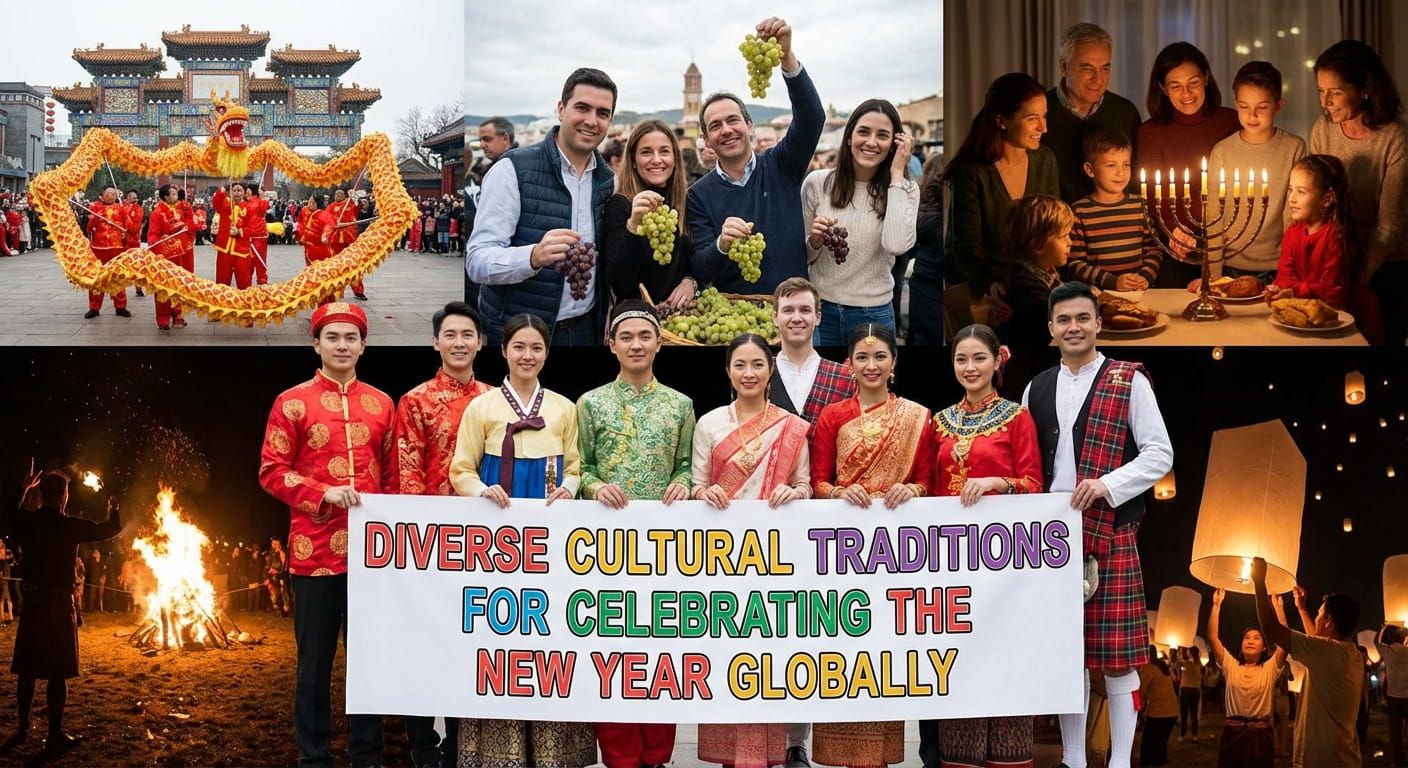
- What differs across communities? Religious festivals, fasting periods, saint days, new year systems, and local patron events.
- What must remain workable? School terms, wage rules, transport schedules, elections, and essential services.
Quote to keep in mind: A public holiday list is never only about time off, it is a public statement about who belongs.
The building blocks governments combine
Most multi faith calendars are built from the same set of parts, then tuned to local realities. The mix differs, but the logic repeats across continents.
A shared civic core
Nearly every country anchors the year with a few civic dates that do not depend on religion. These days are the glue. They create a baseline that feels neutral, even when public life is full of variety. Think of independence days, constitution days, labor celebrations, and remembrance days for national tragedies.
Majority faith observances
Some places are honest about a majority tradition, and set a few days accordingly. That is not automatically unfair. It becomes a problem only when minority communities have no comparable space, or when access to time off depends on being in the majority.
Minority faith observances, handled in different ways
Minority holidays can be included as national public holidays, treated as regional holidays, or supported through “optional” leave. Each path has tradeoffs. National inclusion signals equal respect, but can expand the list quickly. Regional holidays reduce national disruption, but can make minority days feel “local” rather than “national.” Optional leave protects flexibility, but requires strong worker protections so people can actually use it.
Local cultural festivals that are not strictly religious
Some celebrations sit between faith and culture. Harvest festivals, ancestor remembrance, seasonal events, and community days can carry spiritual meaning without being tied to a single religion. Governments often include these because they unite wide groups, including people who are not religious.
Six ways multi faith countries structure their calendars
This section is a listicle, focused on patterns you can spot while browsing public holiday data. Each approach shows up in more than one country, sometimes blended together in the same place.
- Core plus optional days: A fixed national list, then a menu of personal days people can choose based on belief or community.
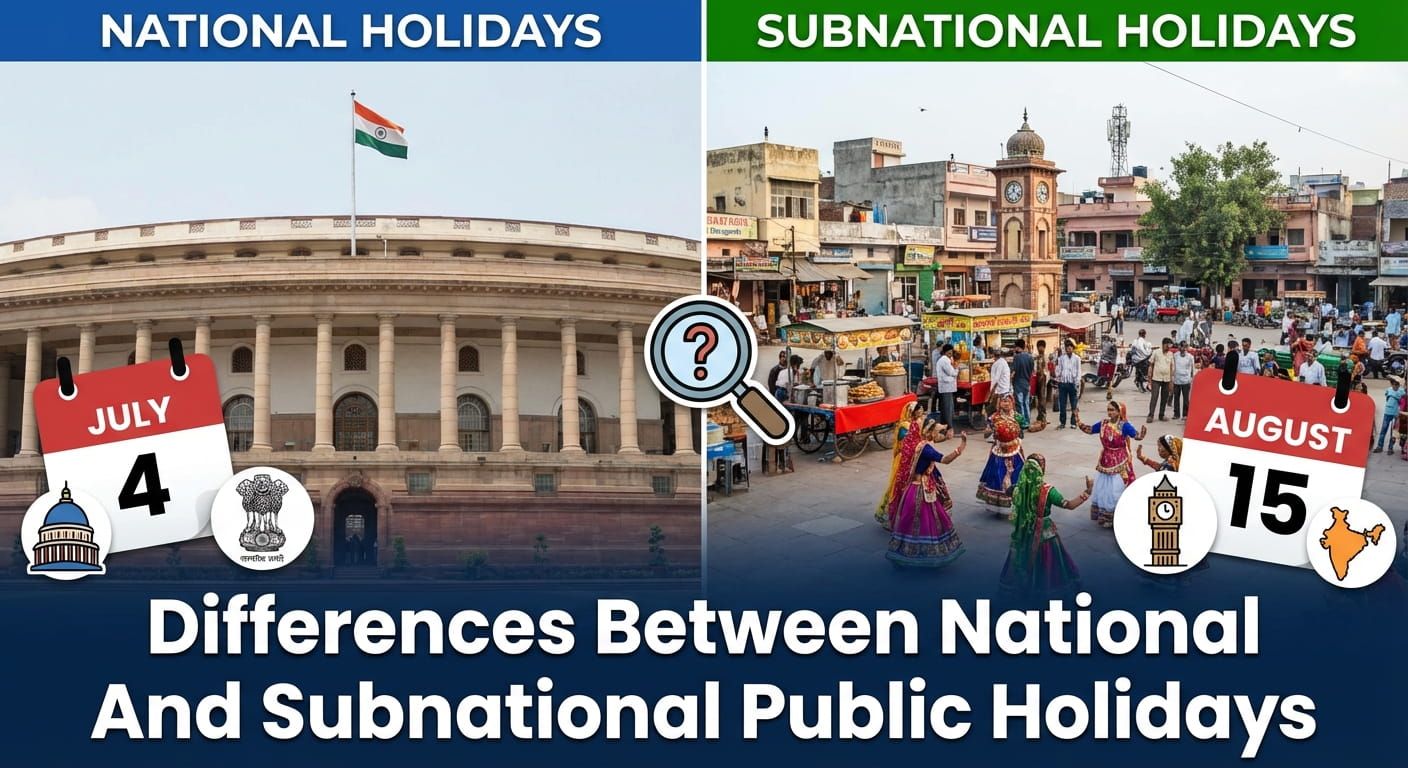
- Core plus regional layers: The central government sets shared holidays, then provinces or states add local days.
- Faith parity pairing: A country balances inclusion by matching a major holiday from several religions, keeping the count similar across groups.
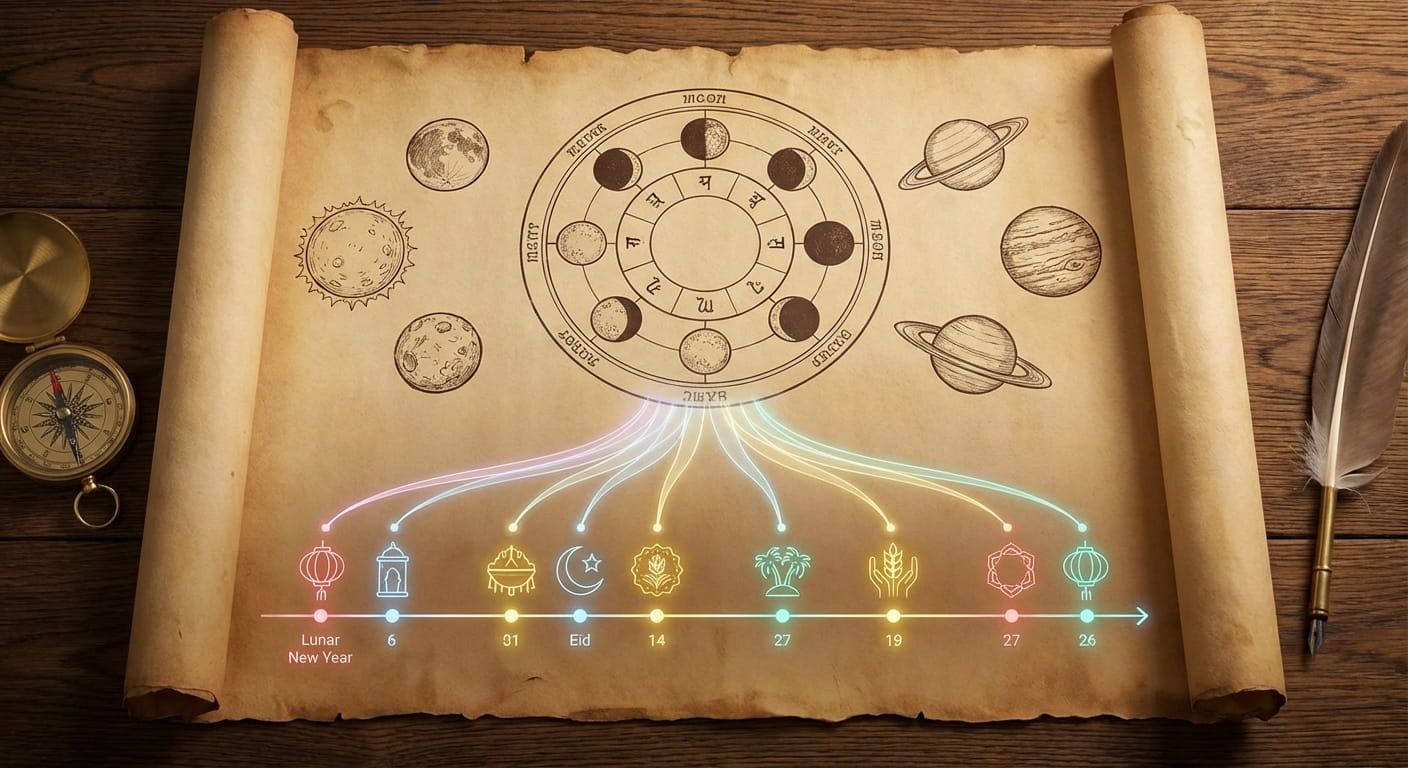
- Floating lunar declarations: The law recognizes the holiday, while the exact date is declared once it is confirmed.
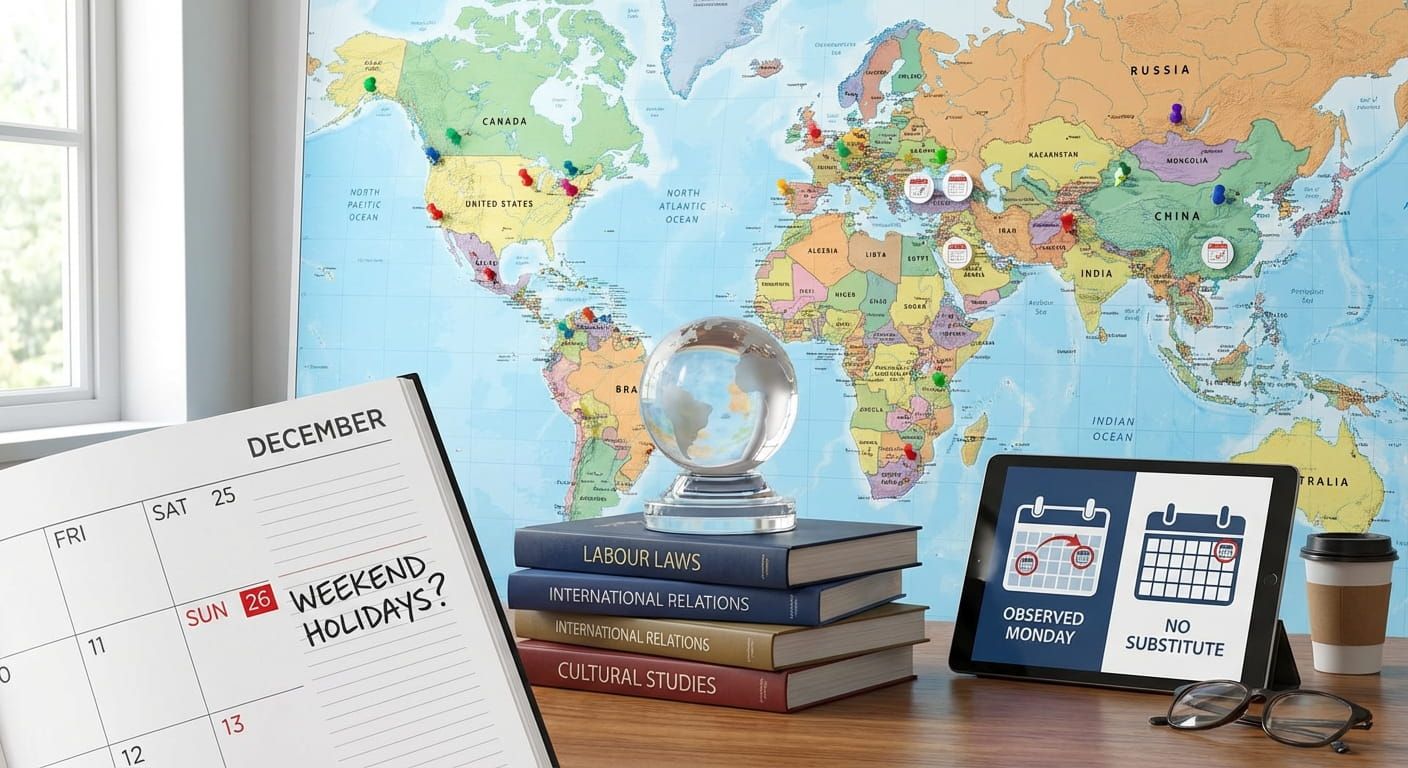
- Substitute day rules: If a holiday falls on a weekend, a weekday substitute keeps the rest day intact.
- Sector specific closures: Public sector and schools may close on a broader set than private industry, or banks follow a different list.
Calendar math, fixed dates, lunar months, and why planning feels hard
Multi faith scheduling gets tricky because not all celebrations live on the same time system. Some are fixed on the Gregorian calendar. Some move, because they follow lunar or lunisolar calendars. Others depend on local practice, like moon sighting or community decisions.
That mismatch creates a planning challenge that is easy to underestimate. Payroll teams want dates early. Parents want school term certainty. Airlines and hotels want predictable demand. At the same time, a government cannot force a lunar holiday onto a fixed date without breaking the meaning of the observance.
One practical habit helps: publish a long range calendar with estimated dates, then publish confirmation notices closer to the holiday. A directory like time.so/holidays is useful here because it keeps the browsing simple, and it highlights what is coming soon across countries.
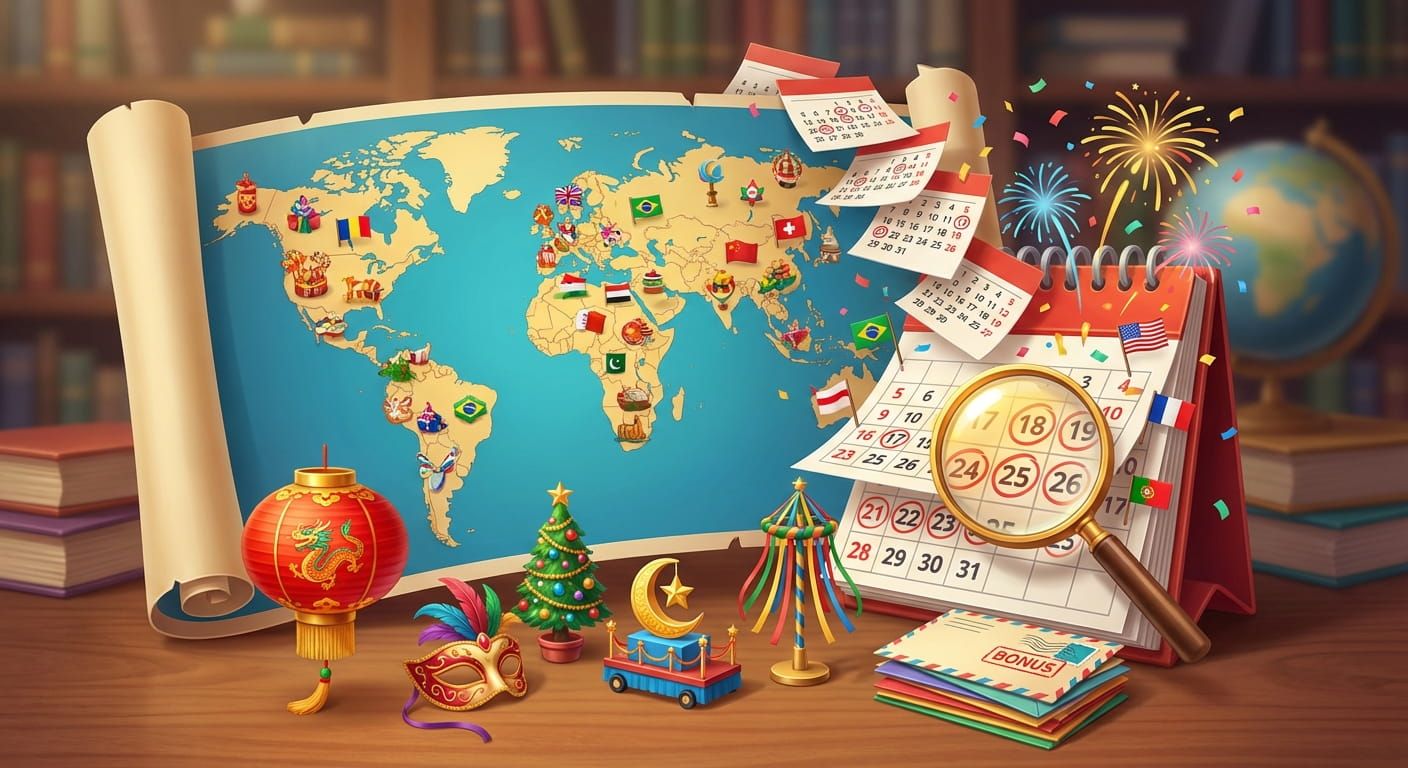
A colorful map of policy choices
The table below summarizes common tools used in multi faith countries. It is not a ranking. Think of it as a menu, with notes on where each tool shines and where it can cause friction.
How fairness shows up in real policy details
Fairness is not only about which festivals appear on the list. It also shows up in small rules that change how people experience a holiday.
Eligibility and access
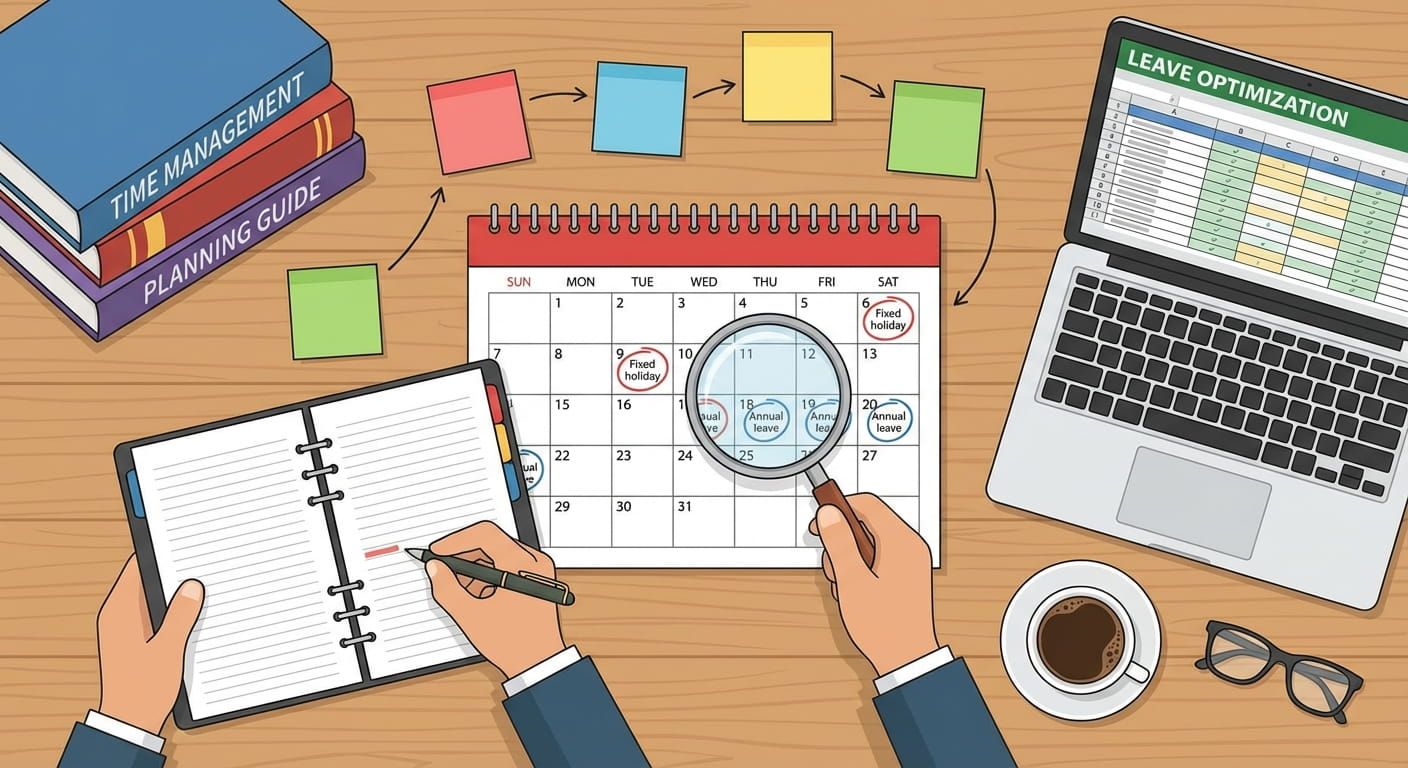
An “optional holiday” is only respectful if people can use it without consequences. Policies tend to work better when they set clear steps for requesting leave, protect people from retaliation, and allow swaps that do not force anyone to reveal personal beliefs. Teams planning leave blocks often pair this with coordinating annual leave with fixed public holidays to keep workloads balanced.
School calendars versus workplace calendars
Schools are a hidden battlefield for holiday fairness. Parents notice when a school term assumes one faith’s rhythm. Some governments coordinate school breaks to reduce conflict. Others keep schools open, but allow excused absences for specific holy days. Both choices can be humane if implemented with care and clarity.
Public services and essential work
Hospitals, transport, and utilities cannot pause completely. That is where holiday design intersects with overtime rules, shift fairness, and religious accommodation. A well designed calendar pairs official closures with realistic staffing plans, and pays attention to who repeatedly gets assigned to work on days important to their own community.
Practical note: Many conflicts blamed on “too many holidays” are really conflicts about notice, transparency, and uneven access to leave.
Examples you can compare while browsing holiday lists
Seeing different systems side by side helps, even without memorizing every legal detail. If you want a grounded feel for how a multi faith calendar looks in practice, compare a few country pages with different religious mixes and administrative styles.
For South Asia, India calendar holidays show how a large, diverse society can include many observances while still keeping national coordination. For Southeast Asia, Singapore calendar holidays are a helpful example of a compact country recognizing multiple major faith festivals in a single nationwide list. For a neighboring comparison, Malaysia calendar holidays help illustrate how regional differences and community traditions can influence what people experience on the ground.
Even across these three, you will notice familiar building blocks: a civic core, visible religious observances, and careful handling of holidays whose dates can shift.
How governments decide what makes the list
The decision process is rarely a clean formula. It is usually a mix of history, demographics, negotiation, and practical constraints. Still, the same questions keep reappearing:
- Representation: Do major communities see their important days recognized?
- Workability: Can schools, courts, and employers plan the year with confidence?
- Continuity: Does the list reflect long standing traditions, not only short term politics?
- Clarity: Are the rules readable for ordinary people, not only lawyers and HR teams?
- Adaptability: Can the calendar absorb demographic change without constant crisis?
These questions sound abstract, but they lead to concrete outcomes. A country might choose to add one more national holiday, then pair it with a rule that limits future expansion by shifting some observances into optional leave. Another might keep the national list stable, while empowering regions to reflect local faith majorities through provincial holidays.
What people often misunderstand about “too many” holidays
Complaints about holiday counts often miss what multi faith calendars are trying to do. The real goal is not maximum days off. The goal is shared dignity with manageable disruption. If you enjoy comparing totals across places, countries most public holidays provides a helpful scan of how varied the numbers can be worldwide.
In practice, many systems aim for balance through one of these strategies:
- Concentration: Keep a small set of nationwide days off, then rely on personal leave for other observances.
- Distribution: Spread holidays across the year to avoid economic shocks, while still recognizing variety.
- Layering: National holidays for shared identity, regional holidays for local culture, and optional days for personal meaning.
None of these is perfect. Concentration can feel narrow. Distribution can create constant interruptions. Layering can confuse cross border work. Still, these strategies show that “fair” is often a design problem, not a moral failure.
Tips for travelers, students, and cross border teams
Even if you are not designing policy, you still deal with these calendars. Travel gets crowded. Embassies close. Bank transfers slow down. School deadlines collide with festivals. The good news is that planning gets easier once you know what to look for.
- Look for movable dates early: Lunar festivals might be listed with an estimated date at first, then confirmed later.
- Check regional variation: In federal systems, a “public holiday” may apply only in certain states or provinces.
- Watch for weekend substitution: A Monday off may appear even if the celebration is on Sunday.
- Separate closure types: Some lists include bank closures, school breaks, and government closures differently.
These habits save time, especially for international teams. A manager coordinating meetings across borders can avoid a lot of awkwardness by checking public holidays by country, then building timelines that respect local rest days.
Design choices that reduce friction without erasing anyone
Policymakers and planners tend to favor solutions that reduce “winner takes all” outcomes. A few design moves help repeatedly, across very different societies.
Publish a stable core, then explain the flexible parts
A calendar that changes without explanation breeds distrust. A stable civic core builds confidence. Then the flexible parts, like declared lunar dates, can be communicated with a consistent method. Consistency matters as much as the final list.
Offer protected choice, not forced disclosure
Optional leave can feel respectful or risky. The difference is protection. People should not be pressured to explain their beliefs to get a day off. Policies that allow neutral requests, swaps, and personal leave buckets reduce conflict.
Use regional autonomy carefully
Regional holidays can be a kindness, because they fit local realities. They can also create inequality if people in one region get far more rest than others without a clear reason. The best setups are transparent about why a region has specific days, and they keep the national core strong enough to maintain shared identity.
Plan for change
Demographics shift. New communities settle. Older traditions evolve. A calendar that can adjust slowly, through a predictable review process, avoids annual political drama.
Small detail, big impact: How a country handles “optional” religious leave often shapes whether minority communities feel welcomed at work.
Looking at the calendar as a story people live inside
It is easy to treat holidays as a list of dates. People do not experience it that way. They experience it as permission to gather, rest, grieve, pray, visit family, cook traditional food, and teach kids what matters. In a multi faith society, public holidays are also a lesson in mutual respect.
A well structured calendar sends a simple message: your neighbors might celebrate differently, and the state has made room for that difference without turning it into a fight. That is not only symbolic. It reduces workplace tension, lowers school conflicts, and makes planning smoother for everyone.
If you keep that lens, you start to notice the craft behind the scenes: which days are shared, which days are chosen, which days are regional, and which days float. That craft is exactly how multi faith countries structure their public holiday calendars, one careful rule at a time.