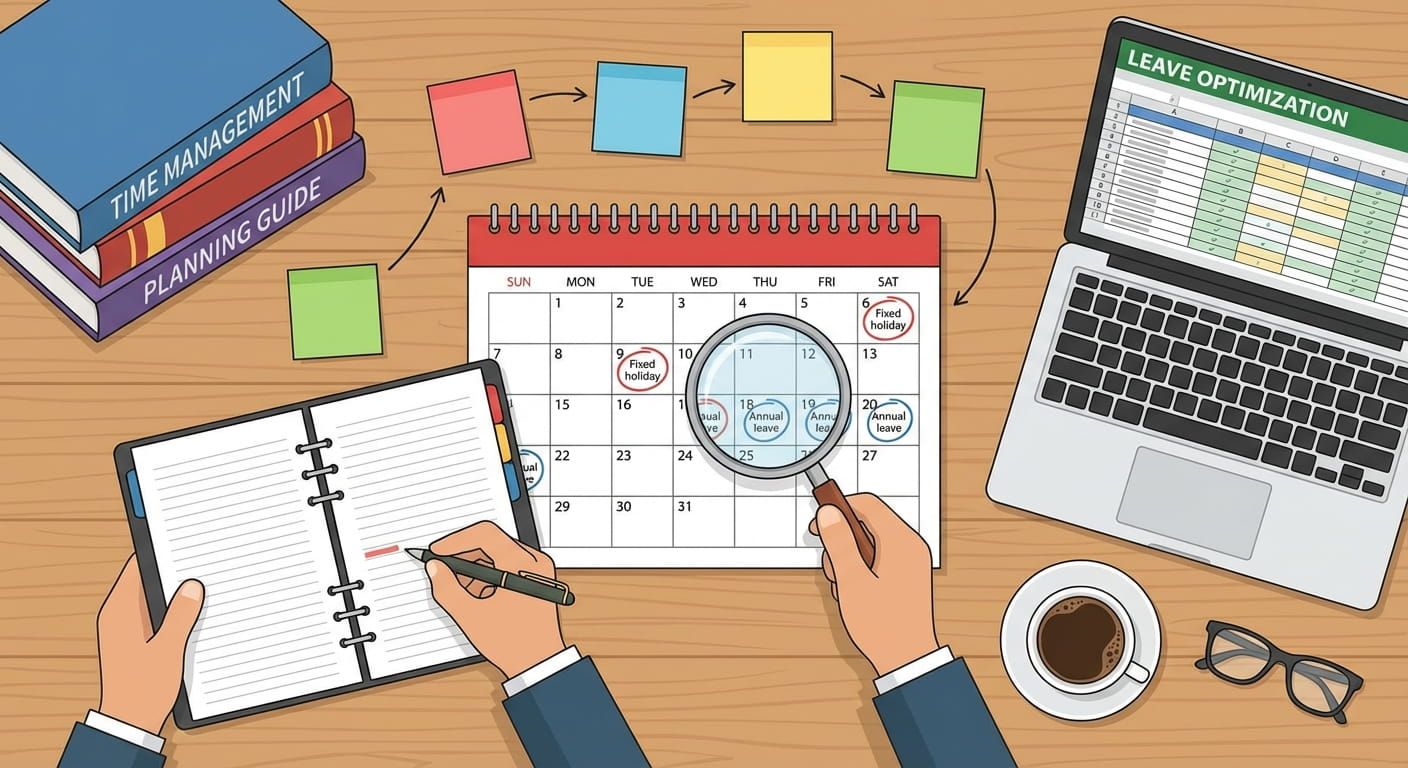
Your annual leave days can feel scarce until you place them next to fixed public holidays, then the calendar starts offering deals. A single well placed day off can turn into a long stretch of rest, travel, or family time, without burning through your balance. This guide shows how to spot those opportunities, plan around real world constraints, and keep your team and your future self happy.
Fast read
Coordinating annual leave with fixed public holidays is about stacking time off where it naturally connects. Start with a map of your year, then circle holiday clusters that touch weekends. Use a simple scoring rule, fewer leave days for more consecutive rest days. Add buffers for travel, school schedules, and coverage at work. Lock your top picks early, then keep one or two flexible days for surprises.
Calendar Smarts Quiz
Answer five questions and get a planning style recommendation. This quiz runs on the page, no signup needed.
1) You spot a public holiday on a Tuesday. What is your first move?
2) Your team has a busy period. How do you plan leave?
3) What matters most for your time off?
4) A holiday falls on a weekend. What do you check next?
5) How many leave days do you like to keep in reserve?
Start With A Clear Holiday Map
Coordinating leave gets easier once you stop thinking in single dates and start thinking in shapes. A holiday on a Thursday creates one shape. A holiday on a Monday creates another. A cluster of holidays in the same week creates the best kind of shape, a bridge waiting to be built.
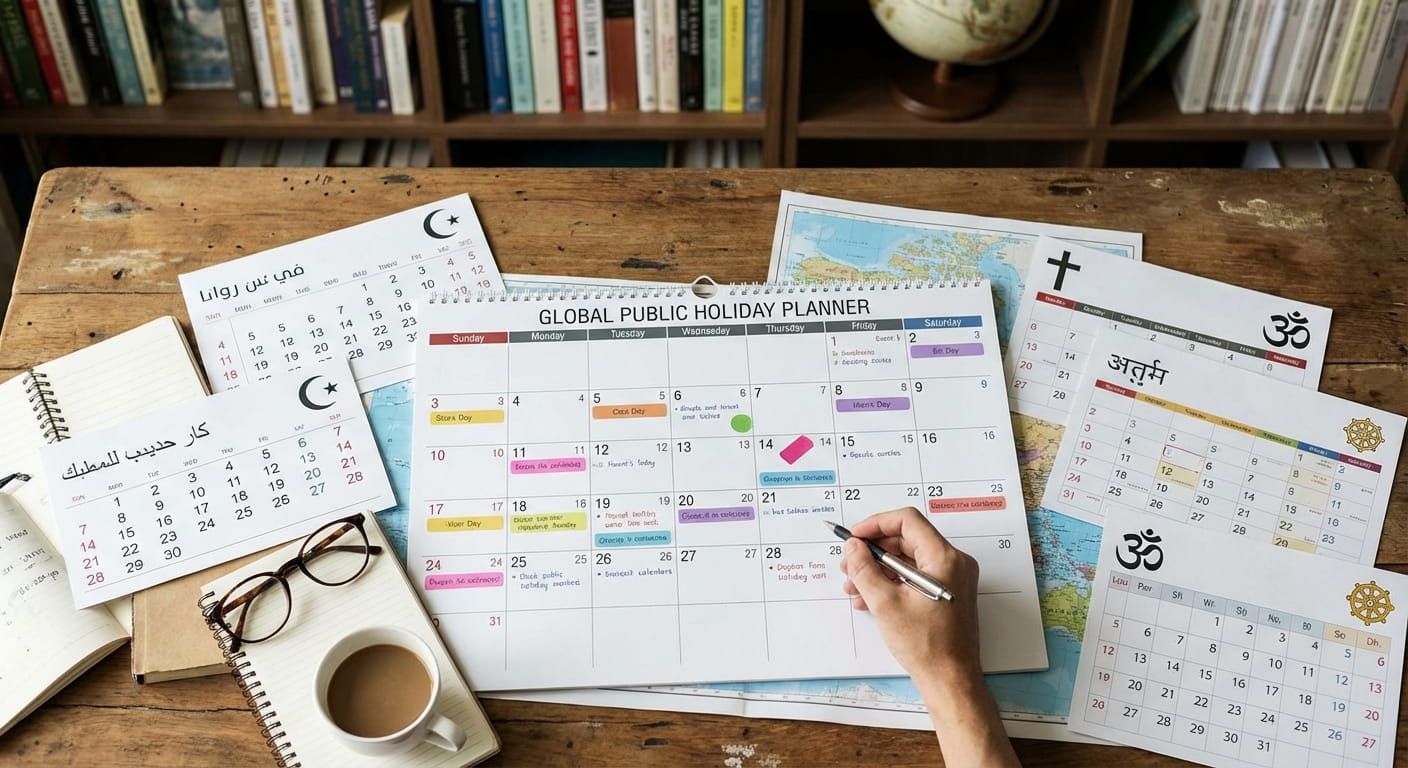
Begin by opening a reliable directory that shows holidays by country and date. The global index on public holidays makes this part feel less like research and more like browsing. You can jump between countries, check what is coming up, and keep your notes tidy.
Think of annual leave as connectors, not blocks. Fixed holidays are the anchors, your leave days are the links that turn anchors into time you can actually feel.
Understand The Fixed Holiday Advantage
Fixed public holidays show up on the same calendar date each year, or at least on the same rule you can predict. That predictability is your edge. It lets you plan before flight prices rise, before accommodation fills up, and before work calendars become crowded.
This also helps you avoid emotional planning. Many people book leave after a stressful week, then realize they picked dates with poor payoff. A fixed holiday plan gives you calmer decisions. You can still be spontaneous later, but your core rest days are protected.
Use A Simple Scoring Rule To Pick The Best Windows
You do not need a complex spreadsheet to decide which holiday cluster deserves your leave. A simple score works well: count how many consecutive days off you get, then compare it to how many leave days you spend. Bigger rest for fewer leave days wins.
Choose Your Planning Style And Stick To It
People get stressed because they mix planning styles. One month they chase the best deals. Next month they pick dates around family events. Both are valid, but switching mid year creates friction.
Pick a style that matches your life this year:
Coordinate With Work Without Losing The Best Dates
Planning with holidays is not only about your calendar. It is also about coverage. A team can handle multiple people away, as long as the dates are visible early and responsibilities are clear.
Try a simple team approach that feels fair: rotate priority for popular weeks, encourage early booking, and share a coverage plan before leave starts. Managers can help by confirming busy periods early, then inviting people to place leave around them instead of guessing.
A leave plan that includes coverage is easier to approve, easier to enjoy, and easier to repeat next year.
Build Leave Bridges Around Weekends
The most satisfying leave often starts with a weekend and ends with a weekend. That shape gives you two natural buffers. One buffer for packing, errands, and travel. Another buffer for laundry, groceries, and easing back into routine.
Here are reliable bridge patterns that work in many countries:
- Friday leave next to a Monday holiday, you get four consecutive rest days with one leave day.
- Monday leave next to a Tuesday holiday, you avoid the stop start feeling and create a smooth stretch.
- Friday leave next to a Thursday holiday, one leave day creates a neat four day pocket of time.
- Two leave days connecting midweek holidays, ideal when a country has multiple fixed holidays close together.
- Three leave days to secure a long travel block, use this only once or twice a year, it is your big play.
Plan For The Hidden Calendar Rules
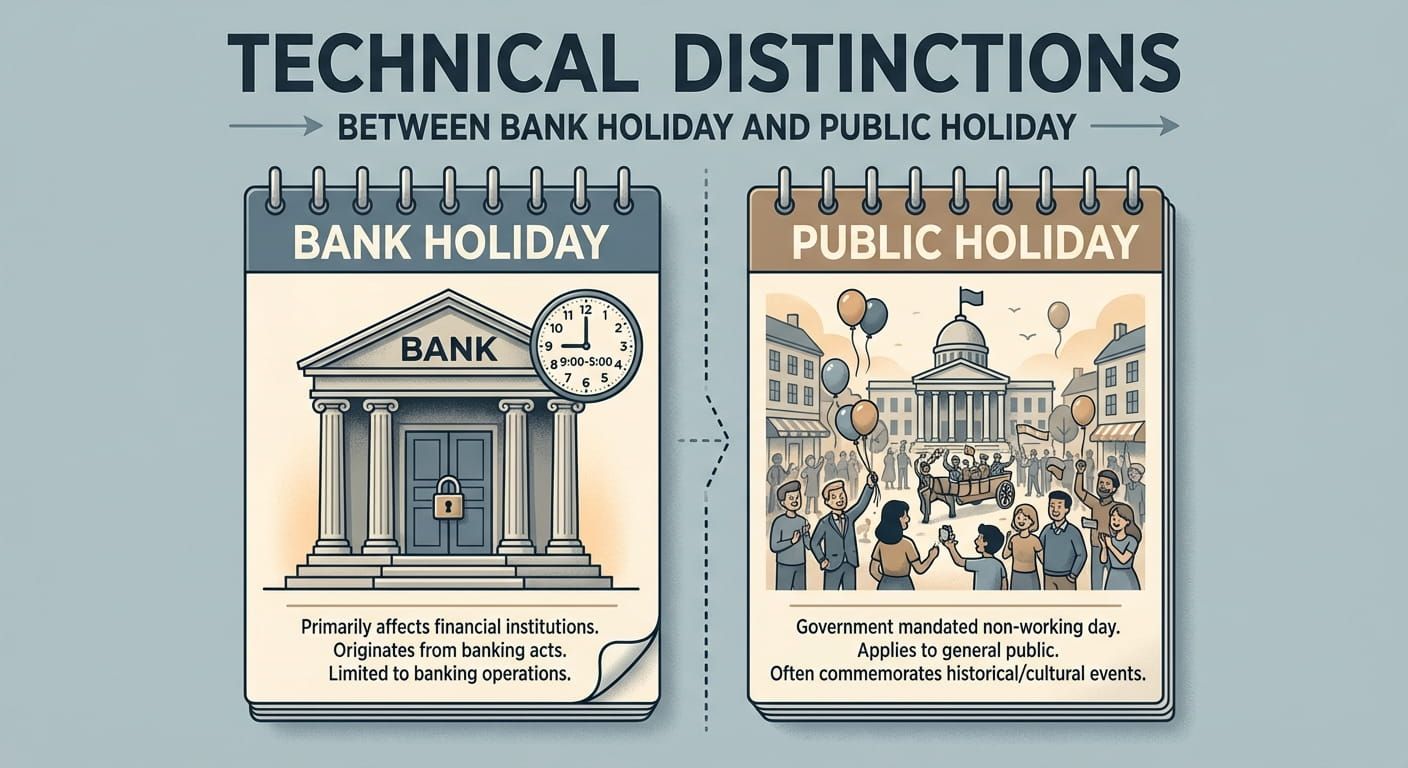
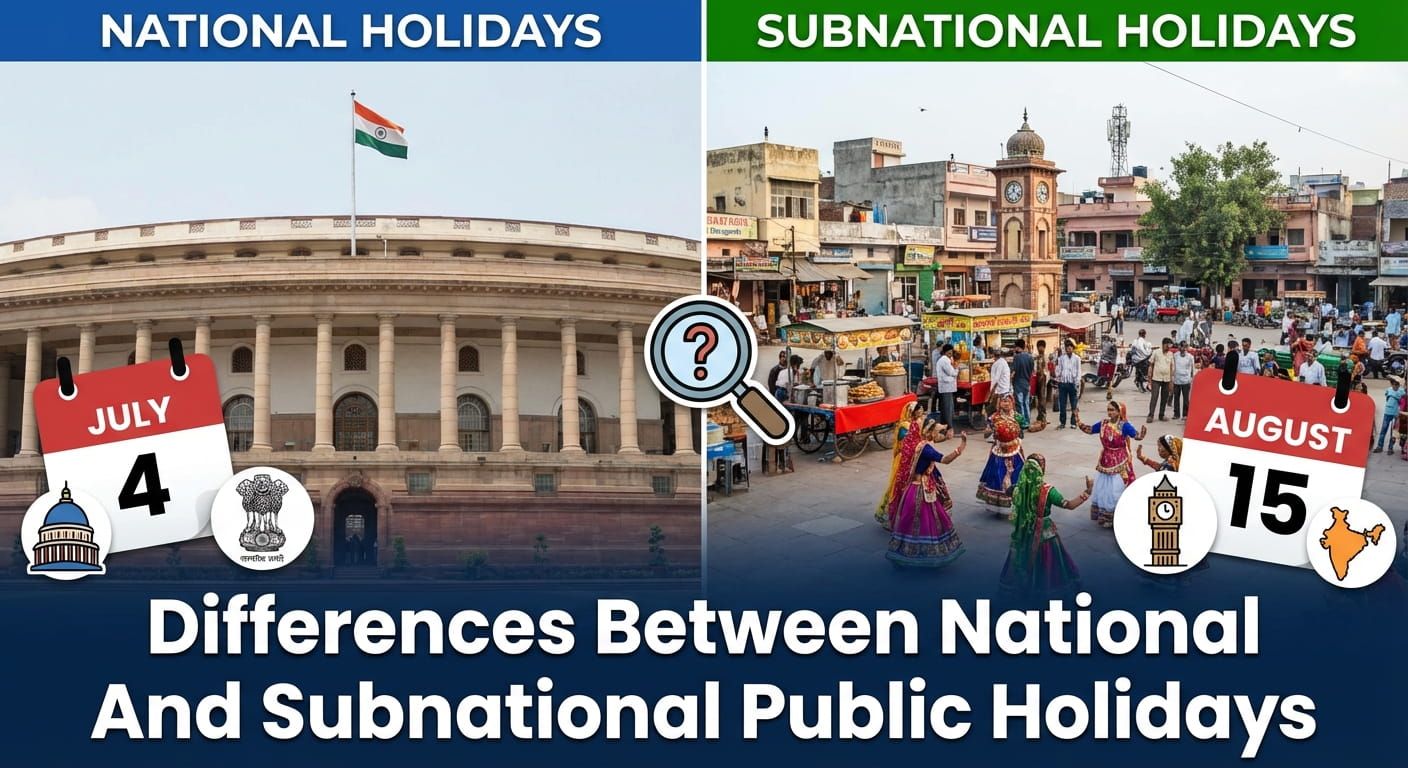
Fixed public holidays sound simple, but real calendars include extra rules. Some places move the day off when a holiday lands on a weekend. Some regions add local holidays that only apply in certain states, provinces, or cities. Some employers treat bank holidays differently from public holidays.
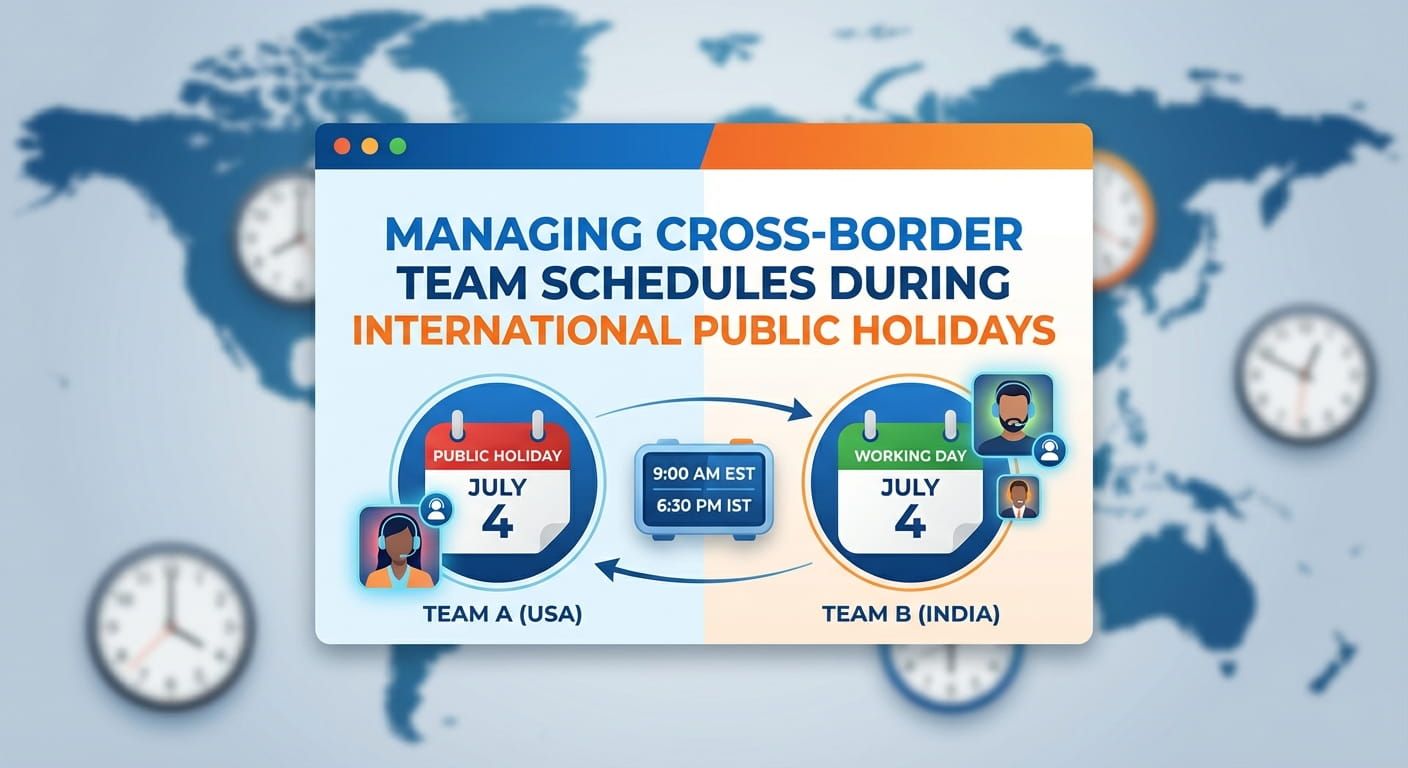
The practical move is to verify the exact observance, not only the holiday name. That is also why browsing by country matters, because it shows what your specific location observes. If you travel often, check both your home calendar and your destination calendar.
Make It Real With Examples From Different Countries
Examples help because you can see the shapes. You can also compare how different calendars create different leave opportunities.
If you live in Southeast Asia, skimming Singapore holidays can reveal clusters that pair well with weekend bridges. For a Japan trip, Japan holidays helps you spot periods where domestic travel demand rises, which is useful for booking early. If you are coordinating with colleagues in Europe, France holidays can highlight national dates that affect response times. For South Asia planning, India holidays can show a mix of widely observed days and region linked observances you may need to double check.
Handle Travel Logistics Without Stress
Holiday stacking can make travel fun, but it can also concentrate crowds. Airports, trains, and hotels feel the pressure most on the edges, the first and last travel days. A small shift can change the whole experience.
A few travel minded habits help:
- Travel on the shoulder day, not the most obvious day, if your plan allows it
- Keep the first night simple, a nearby stay can reduce travel fatigue
- Reserve one quiet day at home after a long trip, it prevents burnout
- Check local closures for attractions and services during public holidays
Protect Your Leave Balance With A Two Bucket Method
Many people burn all their leave on one big trip, then feel stuck for the rest of the year. Others spread leave too thin and never feel truly rested. A two bucket method gives you a middle path.
Bucket one is your planned stack, the leave days that connect fixed holidays into meaningful breaks. Bucket two is your flex reserve, a small set of days for family needs, health appointments, school events, or a surprise opportunity.
A simple starting point: allocate about two thirds of your leave to planned stacks, and keep one third flexible. If your life is predictable this year, you can reduce the flexible portion slightly. If your life is changing, keep more in reserve.
Keep It Fair When Multiple People Want The Same Week
Popular holiday windows attract everyone. That is normal. The tension comes from silence, people booking without visibility, then feeling frustrated when approvals clash.
A fair system does not need to be complicated: rotate priority, publish a simple leave calendar, and ask for early signals on the most popular weeks. A manager can also define minimum coverage rules for each week, then approvals become clearer.
A Listicle Of Practical Tactics You Can Use This Week
These tactics are small, but they compound across a year. Pick a few, test them, then keep what fits your life.
- Circle fixed holidays that touch a weekend, those are your first targets
- Write your personal constraints next to the calendar, school dates, project deadlines, family events
- Score each leave idea by leave days used versus rest days gained
- Book the best two windows early, then stop second guessing them
- Keep one buffer day after long travel, it makes returning calmer
- Coordinate with your team on coverage before you submit leave
- Check observance rules for weekend holidays in your location
- Avoid stacking too many long breaks back to back, productivity backlash can feel rough
- Use a shared note for travel costs, crowds, and lessons learned
- Review your plan quarterly and adjust rather than rewriting the whole year
Use A Personal Leave Blueprint That Fits Your Energy
Coordinating leave is not only about maximizing days. It is also about how you recover. Some people recover through travel. Others recover through stillness. Some need social time, others need quiet.
A useful blueprint has three parts: one longer break that feels meaningful, two or three medium breaks for reset, and a few single days for sharp edges in the year. The fixed holidays help you place each part without overspending your leave balance.
Common Mistakes That Make Leave Feel Smaller
A few mistakes show up again and again. They are easy to avoid once you notice them.
- Booking leave without checking whether a holiday already covers part of that time
- Forgetting that travel days have a cost, fatigue can steal the value of the break
- Taking a long break with no buffer day, then returning exhausted
- Waiting too long to request popular windows, then settling for low payoff dates
- Ignoring team coverage realities, it can lead to stress during leave
Make A Repeatable System For Next Year
The best part of coordinating annual leave with fixed public holidays is that you can reuse the method. Your specific dates will change, but the shapes stay familiar. Once you have a system, planning takes less time and you get better results.
After each break, jot down a short note. Did you need more rest time? Was travel too rushed? Did crowds affect your mood? These notes are gold later. They help you refine your calendar choices and protect your leave for what actually matters to you.
The Moment Your Calendar Starts Working For You
A well planned year does not feel rigid, it feels supportive. Fixed public holidays become natural anchors. Your annual leave becomes the gentle connector that turns scattered days into true breaks. You end up with more recovery, better trips, and fewer frantic weeks. That is the real win, your time off feels intentional, and your life outside work gets more space to breathe.