A public holiday calendar can feel like a secret map of a country’s values. You see faith, history, harvest seasons, royal traditions, independence days, and local pride, all laid out as real days off. Some places keep the list short and simple. Others pack the year with celebrations, memorial days, and community festivals that become official time away from work or school. This guide walks through the countries with the highest number of annual public holidays, why their calendars are so full, and how to plan around them without getting surprised by a closed office or a fully booked flight.
A fun quiz before you scroll
Try this mini quiz and see how well you know holiday heavy calendars. Your score appears instantly. No sign up, no fuss.
What counts as a public holiday, and why totals differ
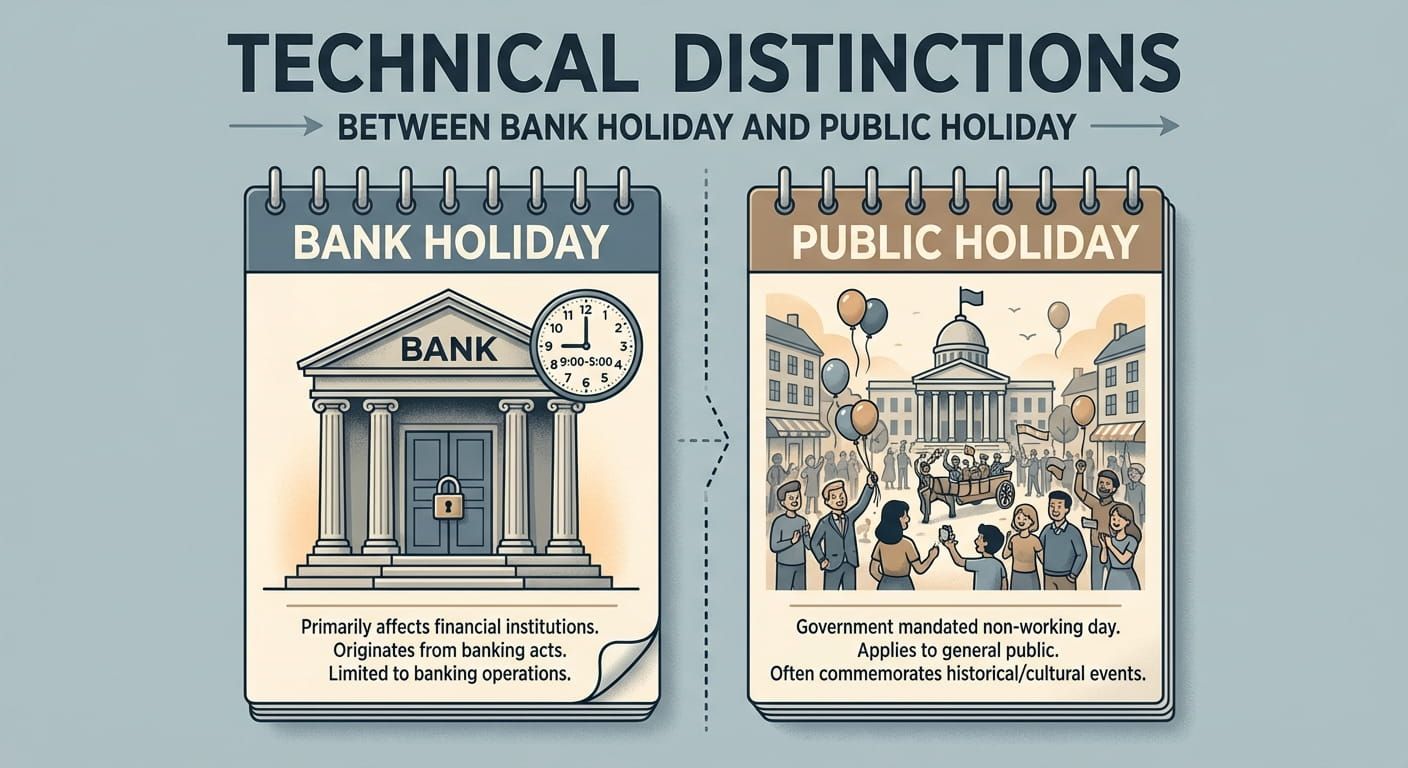
The phrase public holiday sounds simple, but it hides a lot of detail. In one country, a public holiday means a full day off nationwide. In another, it may apply only to government offices, or only to certain states, provinces, or cities. Some places add a day off if a holiday lands on a weekend. Some do not. Some lists include bank holidays. Some lists focus only on statutory holidays written into labor law.
That is why you can see two sources disagree on the same country. Both can be right, they are just counting different things. A good comparison needs a shared rule. This article uses a practical rule that travelers and international teams care about: days where closures and schedule changes are common, plus days that are officially designated as public holidays in widely used holiday calendars.
A colorful snapshot of holiday heavy countries
Here is a straightforward view of countries that often appear near the top of public holiday rankings. Treat the numbers as typical annual counts seen in public lists. Some may vary by region, and some vary by year. That variation is not a flaw, it is part of the story.
| Country | Commonly cited annual total | What drives the count | Planning note |
|---|---|---|---|
| Nepal | Around 35 | Many faith traditions plus national dates | Festival clusters can create long slowdowns |
| Iran | Around 26 | Religious observances plus national history | Some holidays follow lunar timing |
| Myanmar | Around 26 | Buddhist festivals and national commemorations | Expect regional variations |
| Sri Lanka | Around 25 | Religious full moon days and cultural observances | Monthly holidays can surprise new visitors |
| Malaysia | Up to around 24 | Federal holidays plus state specific dates | State calendars matter for business travel |
| Cambodia | Often above 20, sometimes higher by year | Royal events, religious festivals, national days | Lists can change by government announcement |
| Bangladesh | Around 22 | National dates plus religious festivals | Some holidays expand into multi day breaks |
| Liechtenstein | Around 22 | Faith holidays plus national celebrations | Small country, big calendar presence |
| India | Often above 20 when regional holidays are included | Huge regional diversity and many faith traditions | Your city and state can change the count |
For a practical view of what is coming up soon, the holidays directory is handy because it surfaces upcoming public holidays with dates and the countries observing them. That helps when you are planning a trip, a delivery schedule, or a classroom timeline.
Why some countries end up with so many public holidays
A high holiday count is rarely an accident. It usually comes from a mix of history and identity. The biggest drivers tend to look like this:
- Multiple religious calendars: Countries where several faith traditions are widely practiced may recognize holidays from each tradition.
- Festival seasons that last days: New year celebrations, harvest festivals, and major religious observances can span several days.
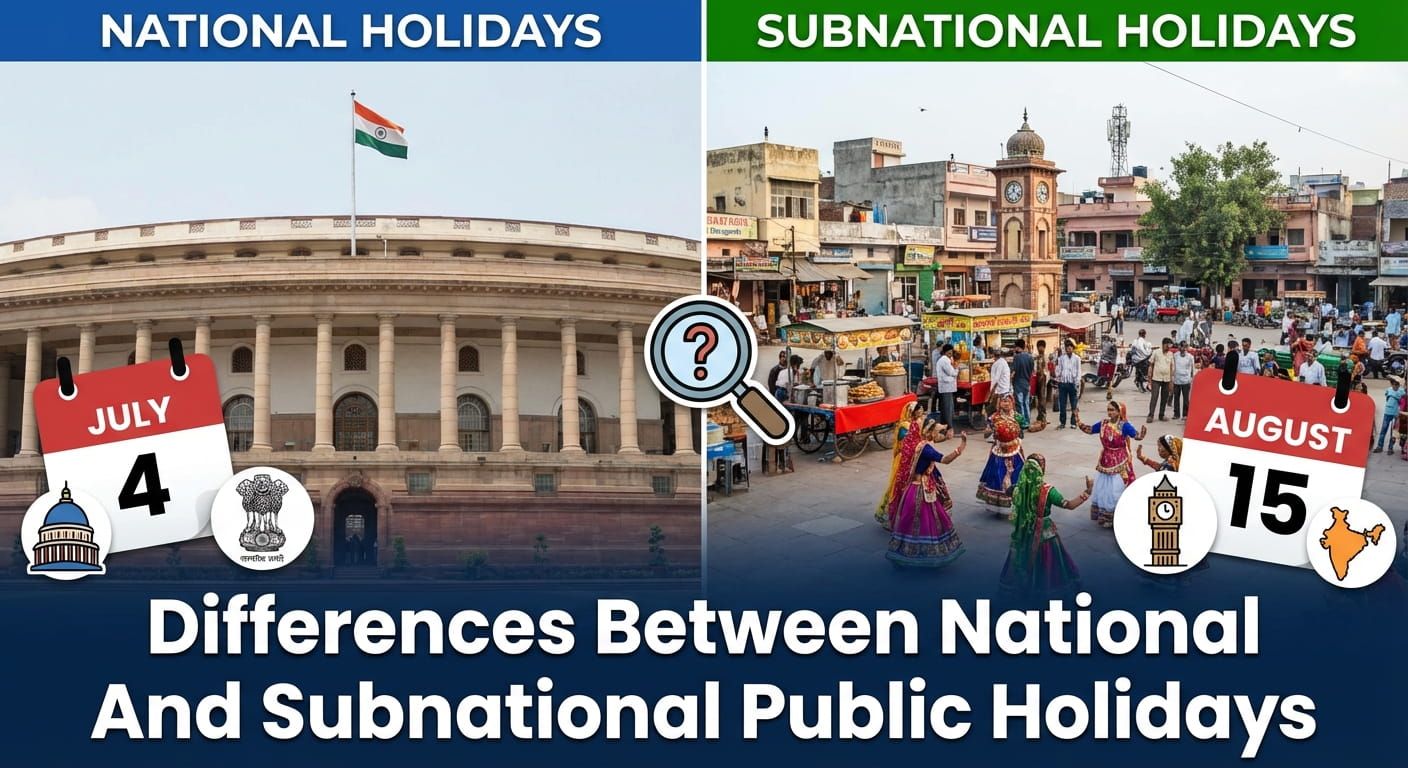
- Regional autonomy: States, provinces, and territories may have their own official days off, which lifts the practical total for residents.
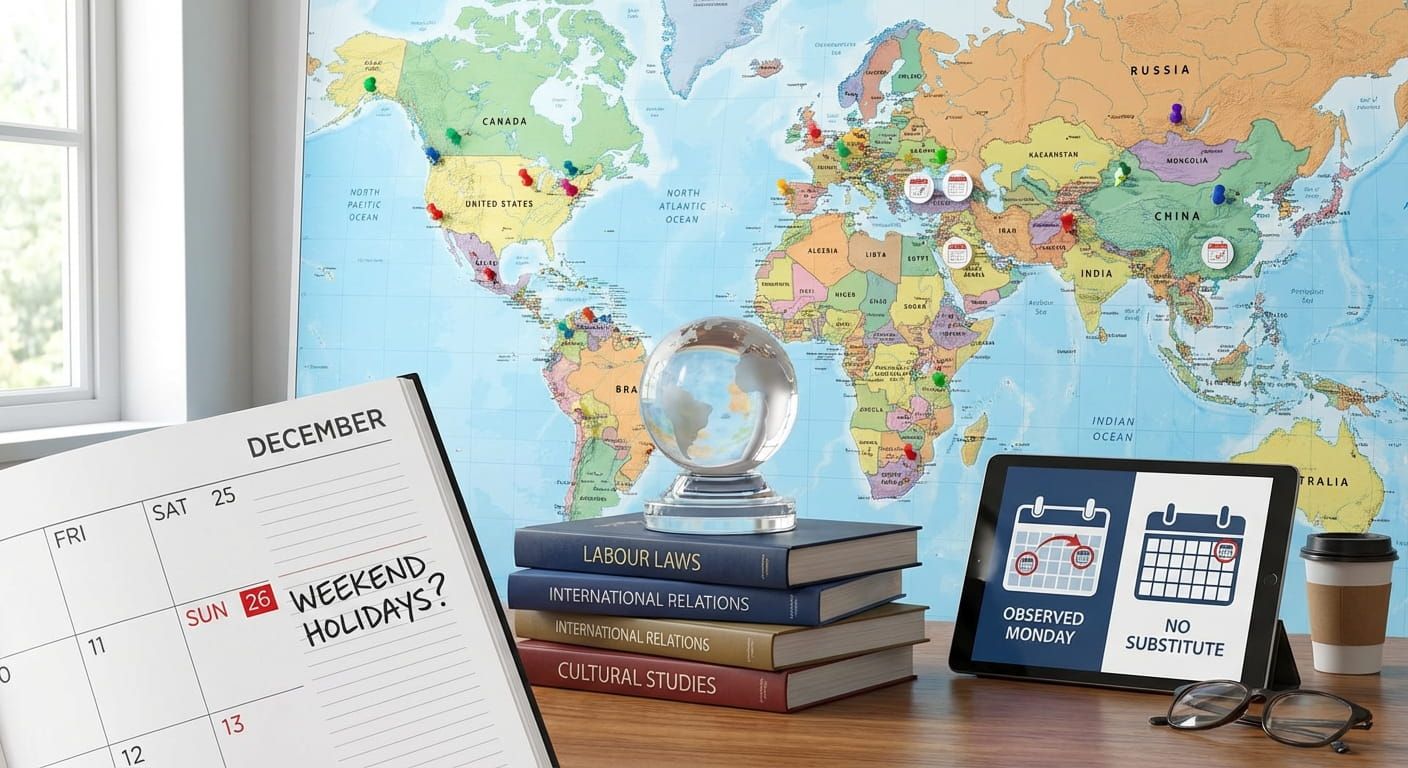
- Substitute days off: Some governments add a weekday off if a holiday lands on a weekend, which can raise totals in certain years.
- Modern additions: New commemorations can become official, especially after major national events.
None of these drivers is better or worse. They just lead to different rhythms. A country with fewer holidays may still have generous vacation policies. A country with many holidays may still have intense work weeks in between. The calendar alone does not tell the full story, but it does reveal patterns you can plan around.
The listicle you came for, high holiday countries and what makes them special
The countries below often show up in public lists as having the highest number of annual public holidays. Each one has its own reason for the packed calendar. This is not about ranking for bragging rights. It is about understanding the cultural logic behind the days off.
-
Nepal
Nepal is frequently cited at the top with roughly 35 public holidays. That number makes more sense when you see the range of celebrations observed across the country. Hindu and Buddhist festivals are both highly visible, and national days add more fixed points. The result is a calendar that can feel lively all year, with several dense clusters where travel demand rises and government offices may run on lighter schedules. If you want a closer look at the official days, checking Nepal’s holiday list can help you see the spread across the months. -
Iran
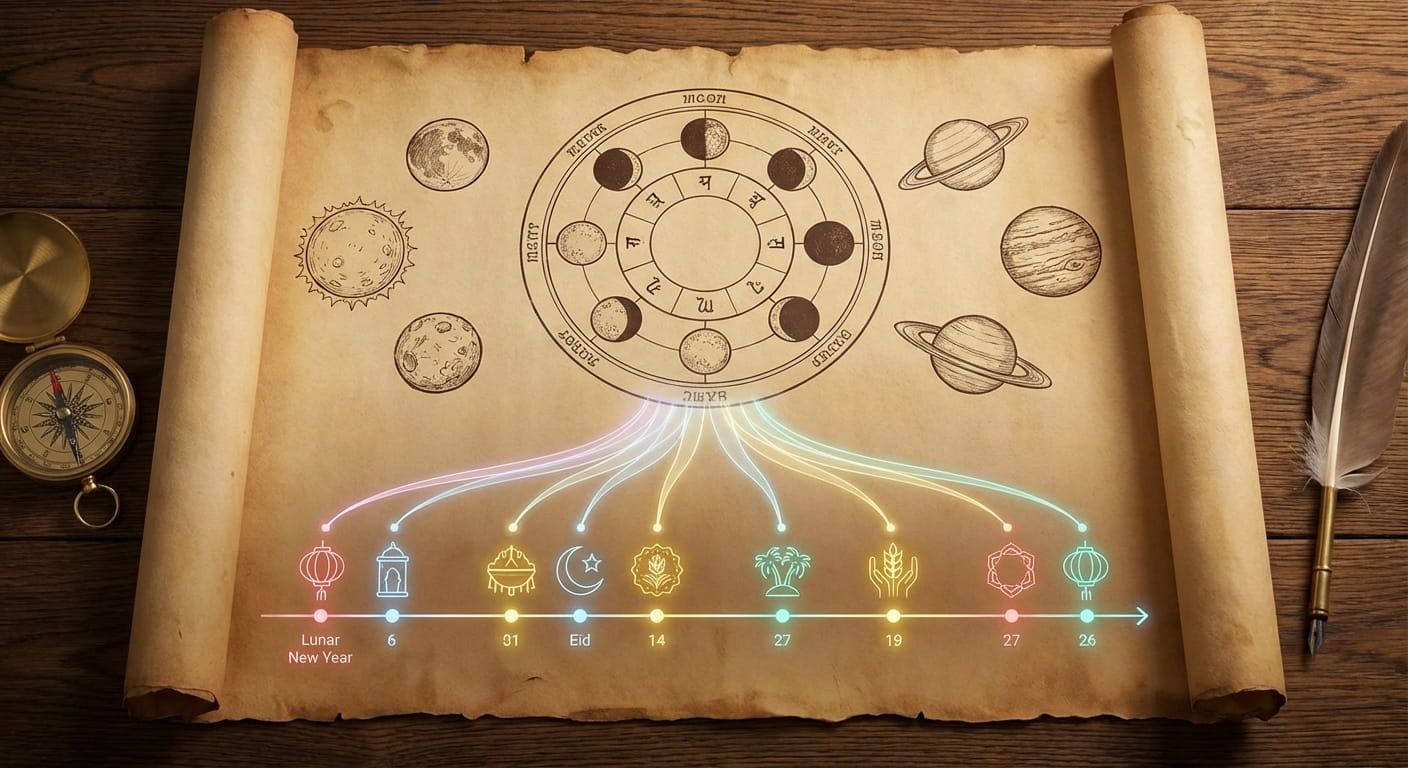
Iran is often listed with a total in the mid 20s, commonly around 26. Many of its public holidays are tied to religious observances, and some follow lunar timing, which means their dates shift year to year on the Gregorian calendar. That can confuse visitors who only plan around fixed dates. If you are coordinating with a team or planning travel, it helps to confirm the exact dates closer to the time. A country page such as Iran’s holiday calendar can provide that year specific clarity. -
Myanmar
Myanmar is another country that often appears in the mid 20s group. Buddhist festivals are a major factor, and you may see observances that span multiple days. The practical effect is that certain periods of the year slow down noticeably. For travelers, this can be wonderful if you want to witness a festival. It can also mean transport is busy and some services run on limited hours. -
Sri Lanka
Sri Lanka is famous for a calendar that includes frequent religious observances, including monthly full moon holidays. That creates a unique rhythm where the year has many small pauses rather than only a few giant breaks. For visitors, it is worth noting that some attractions and services may adjust hours around these days. To keep planning simple, you can cross check dates on Sri Lanka’s holiday list. -
Malaysia
Malaysia is a great example of how regional variation can lift totals. In many states, the number of public holidays can reach the low to mid 20s because state specific observances stack on top of federal ones. That means two travelers in different states can have different days off, even in the same month. If you are booking meetings or site visits, confirm which state your counterpart is in, then check Malaysia’s holiday calendar for the local reality. -
Cambodia
Cambodia has long been known for a generous set of official holidays. The total can change by year based on government announcements, and some years include extra observances tied to royal events or national milestones. The practical result is a calendar with multiple multi day breaks. If you are scheduling travel in Phnom Penh or Siem Reap, confirm the list for that year, then keep an eye on public announcements as the year approaches. A helpful place to start is Cambodia’s holiday list. -
Bangladesh
Bangladesh often appears above 20, with a mix of national dates and religious festivals. Depending on how festival days and government announcements fall, breaks can feel longer than the raw number suggests. If you are coordinating shipping or legal deadlines, assume slower response times around major festival periods. -
India
India is a special case because the concept of a single national total is slippery. There are fixed national holidays, then a wide set of state and regional holidays that can make the practical count much higher depending on where you are. A company in Mumbai may observe a different set than a company in Chennai. A school calendar can differ from a bank calendar. If you work across regions, it helps to confirm the specific location, then consult India’s holiday calendar to match the place and the year.
How to plan travel and work around many public holidays
High holiday countries can be amazing for travel. You may catch parades, temple ceremonies, street food markets, or community gatherings that do not exist on ordinary days. Still, the same holidays can affect logistics. Here are practical habits that keep you comfortable and on schedule.
Many holidays are tied to lunar calendars or local sightings. Even when the holiday name is consistent, the date can shift. Always confirm the exact date for the specific year.
The day before a major holiday can be half speed. The day after can be backlog day. Airports and bus terminals can be crowded in both directions.
Ask, “Which public holiday calendar does your office follow, national, state, or city?” That one sentence saves a lot of awkward rescheduling later.
A simple method for comparing countries fairly
If you want to compare countries without getting lost, use a three step method. It keeps the comparison honest and useful.
- Pick a definition. Decide if you mean nationwide statutory days, or a practical calendar including regional holidays and substitute days off.
- Pick a year. Holiday lists can change. Always compare the same year across countries.
- Pick a source style. Government notices are best for legal certainty, while holiday directories are best for planning and visibility.
If you are planning across borders, a directory style source is often the most usable because it reflects the dates people actually act on. That is where Time.so fits in. Time.so/holidays is built as a global holiday directory, with country pages and holiday pages designed for browsing, travel planning, and cultural context.
What a “lot of holidays” feels like on the ground
Holiday heavy calendars do not always mean constant time off. The feeling depends on how the days are distributed.
- Clustered holidays create intense travel peaks, with long stretches of ordinary work in between.
- Evenly spaced holidays create a gentle rhythm, with frequent short pauses that can reduce burnout.
- Region dependent holidays can create a patchwork where one city is celebrating while another city is running normally.
Sri Lanka is a classic example of the evenly spaced feeling because monthly observances keep appearing. Nepal can feel like a mix of both, with dense festival seasons and quieter gaps. Malaysia and India show the region dependent pattern, where knowing the exact state or region matters as much as knowing the country.
A second table that turns planning into a checklist
Numbers are interesting, but planning wins. This table focuses on what you can do with the information.
| Situation | Risk in high holiday countries | What to do |
|---|---|---|
| Booking flights | Festival travel surges can raise prices and fill seats | Check dates, then book earlier for peak weeks |
| Shipping deadlines | Customs, warehouses, and banks may pause | Add buffer days around major holidays |
| Client meetings | Regional holidays can surprise your calendar invite | Confirm the local calendar of the city |
| Visiting attractions | Some attractions close, others get crowded | Check hours, then arrive early on big days |
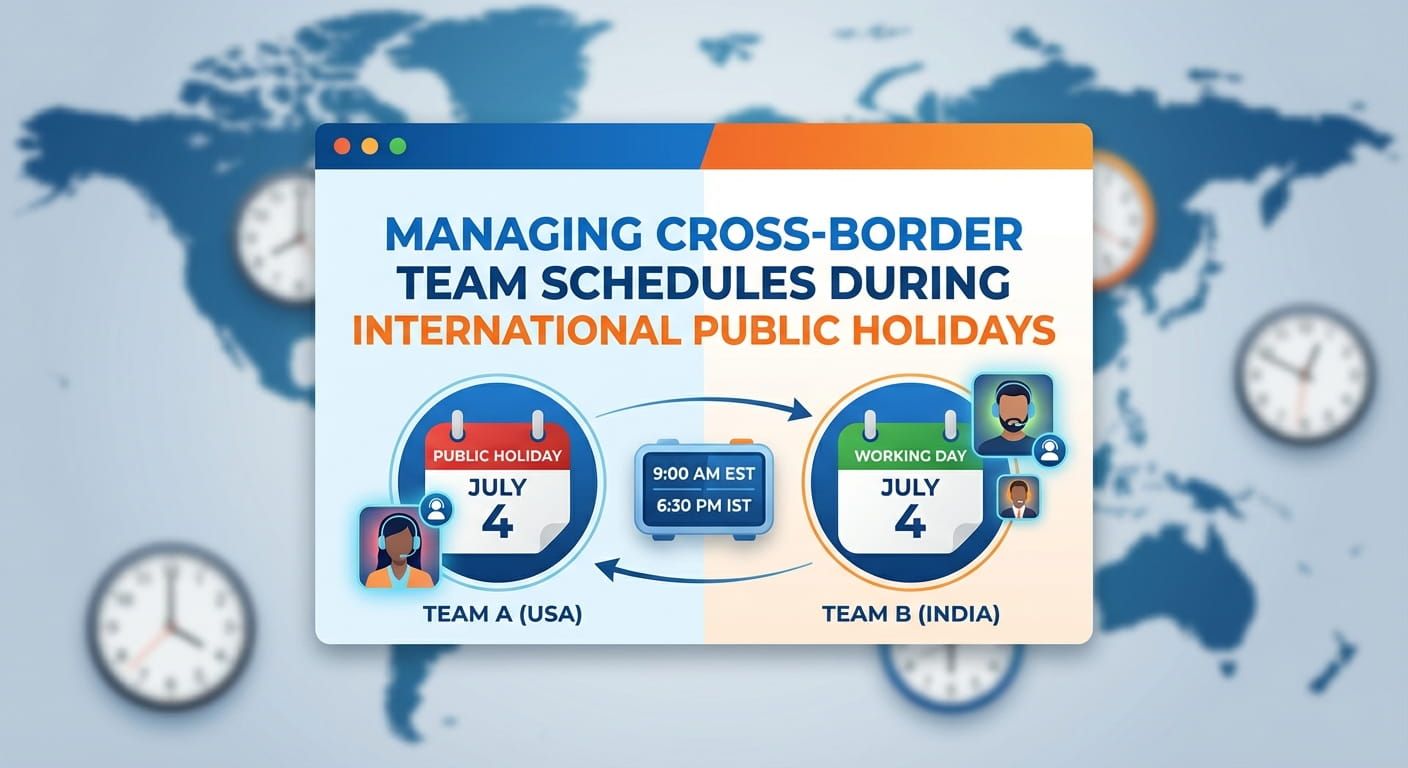
| Remote teamwork | Long response gaps during multi day festivals | Set expectations, then plan handoffs in advance |
How Time.so makes holiday research feel simple
A long holiday list is only helpful if you can actually use it. Time.so/holidays is designed like a practical directory, not a static wall of dates. You can browse by country, see what is coming up soon, and open individual holiday pages to learn what a celebration means and where it is observed. That matters because a holiday name alone does not tell you whether banks close, whether schools close, or whether travel demand spikes.
The best part is that it supports two styles of planning at once. You can plan forward by scanning the next 30 days. You can also plan deeper by browsing the country index from A to Z and staying focused on the place you care about.
Common misunderstandings that lead to missed deadlines
Most scheduling mishaps are not caused by laziness. They come from a few predictable misunderstandings. Watch for these:
- Assuming all holidays are nationwide: Many are regional.
- Assuming a holiday is one day: Some festivals are multi day, or create extended closures in practice.
- Assuming weekend overlap never matters: Substitute days off can appear, depending on local policy.
- Assuming your calendar app has it right: Some apps miss local observances or use outdated lists.
The fix is simple. Treat public holidays as real operational constraints, like weather or traffic. Check them early, confirm them close to the date, then communicate the impact to anyone sharing the timeline.
Mini guide for travelers who want the celebration, not the stress
If your goal is to experience the culture, holidays are a gift. Here is a friendly travel approach that works in holiday heavy countries.
- Pick one major festival window. Build your trip around it and accept that some services will be slower.
- Stay flexible with transport. Leave room for delays and crowd levels, especially around city centers.
- Book key stays early. Hotels and guesthouses can fill up around long breaks.
- Use holidays as a food map. Special dishes and markets often appear only during certain celebrations.
- Respect local etiquette. Some holidays are joyful, some are solemn. Let the tone guide your behavior.
This style of planning keeps the trip human. You leave space for unexpected street processions, family gatherings in public squares, and that small surprise, the city looks different on a day off.
The bigger story behind the numbers
Holiday counts are not only about free time. They are also about recognition. A public holiday says, “This matters to us.” In a diverse country, that recognition can spread across groups and regions. In a country with a long history, the calendar becomes a living museum. In a place with strong religious observance, holy days become official pauses in public life.
That is why two countries with similar totals can feel totally different. One might have many small single day holidays. Another might have fewer names on the list but each one becomes a long break in practice. A number alone cannot capture that texture.
Your next step, build a calendar that matches real life
If you take one thing from this guide, let it be this: use a calendar that reflects the place you are dealing with, not the place you live. A project timeline that crosses borders needs border aware dates. A travel plan that crosses regions needs region aware closures.
Public holidays are not obstacles. They are cultural landmarks. Learn them, plan around them, and you get fewer surprises and better stories.