The last hours of the year carry a special kind of electricity. Streets fill, kitchens work overtime, phones buzz with messages, and people pause to take stock of what they lived through. Yet the moment of turning the calendar is not a single, universal scene. Around the world, New Year celebrations can be loud or quiet, spiritual or playful, ancient or proudly modern. What stays consistent is the human need behind it, to gather, to hope, to reset, and to step forward together.
New Year traditions vary widely because calendars, religions, seasons, and local history shape how communities mark fresh beginnings. Some places welcome January 1 with fireworks, feasts, and countdowns. Others celebrate on lunar calendars, solar calendars, or regional systems, with rituals tied to harvest, family ancestors, or spiritual renewal. Across all of them, the heart of the celebration is similar, release the old, share food, strengthen bonds, and set intentions for the year ahead.
A playful quiz to warm up your New Year knowledge
Pick one answer for each question, then tap the button to see your score.
Why New Year celebrations look so different from place to place
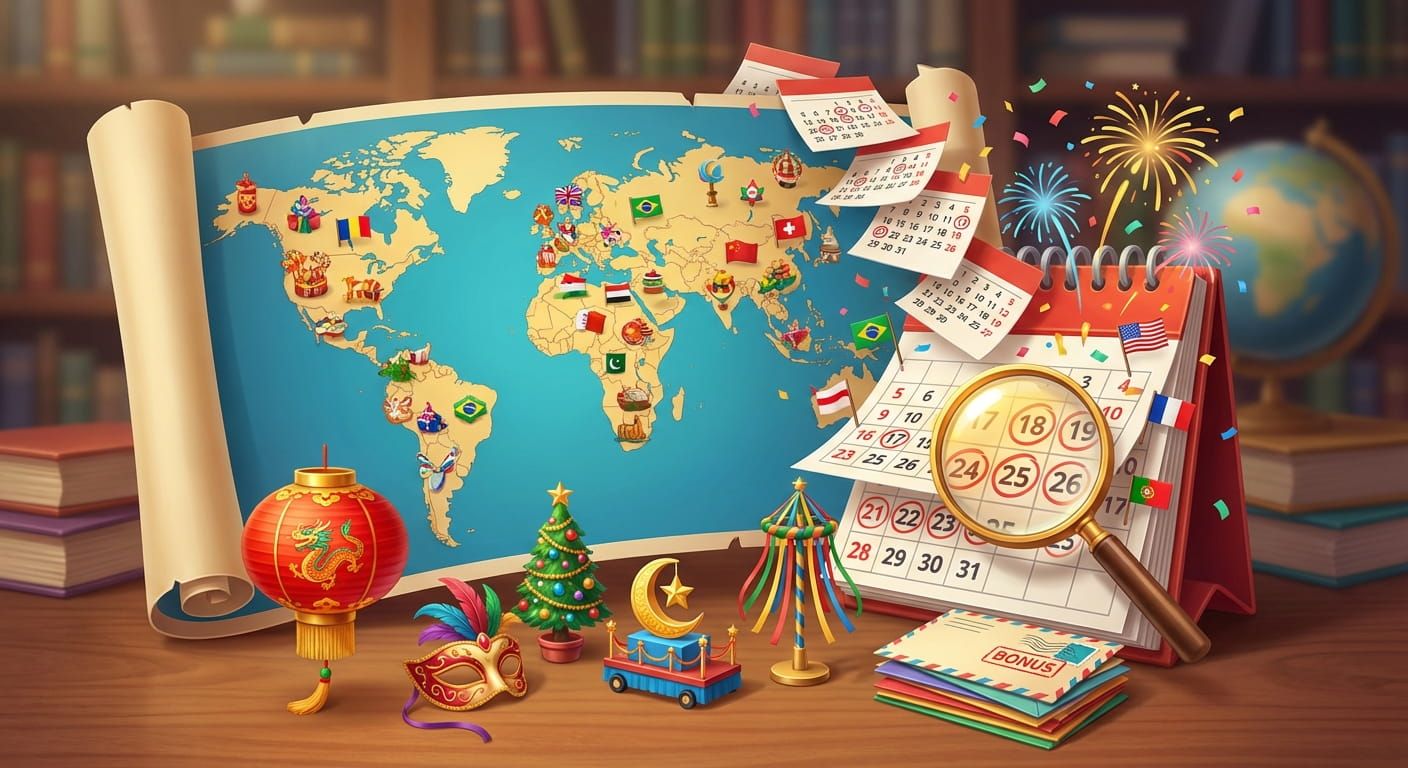
Even the phrase New Year can mean different things. Many countries follow the Gregorian calendar for civil life, so January 1 becomes the official reset for business, school planning, and public holidays. At the same time, huge parts of the world also honor lunar or regional calendars, often with celebrations that land between late January and spring, or at other points in the year. Add climate, harvest cycles, religion, and migration, and you get a tapestry of traditions that feels endless in the best way.
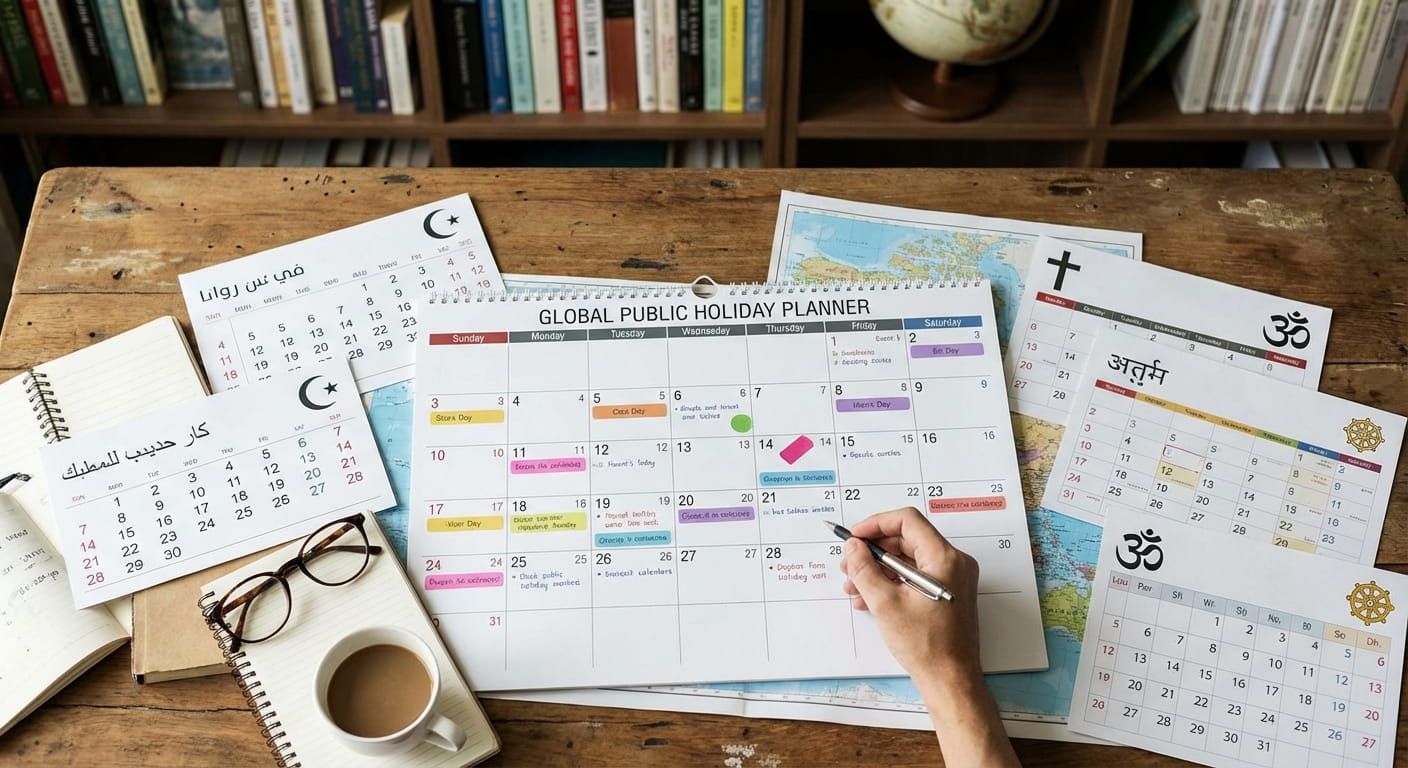
One useful way to keep your bearings is to track official dates and local observances in a single place. The global holiday directory on time.so is built for that exact reality, public holidays change by country, and sometimes by region, and travel plans or work schedules can get messy without a clear view.
The big themes hiding inside the party hats
Across cultures, the details differ, but the meaning often rhymes. If you look closely, you will see a few repeating themes that show up again and again:
- Cleaning and clearing: Homes, streets, and sometimes hearts get a reset, symbolically making space for luck and health.
- Food as a promise: Specific dishes stand for long life, wealth, sweetness, or unity.
- Sound and light: Bells, drums, fireworks, candles, and lanterns mark the moment and push away worry.
- Community bonds: People visit elders, forgive grudges, and strengthen neighborly ties.
- Intentions: Resolutions, prayers, offerings, and wishes put language around hope.
These themes matter because they translate well. Even if you are new to a place, you can usually read the mood, join with respect, and understand what the ritual is trying to say.
Ten New Year traditions worth knowing across the world
Here is a listicle style tour of traditions that are widely known, deeply loved, or simply fascinating. Think of this as a respectful window into how people celebrate, not a checklist to copy without context.
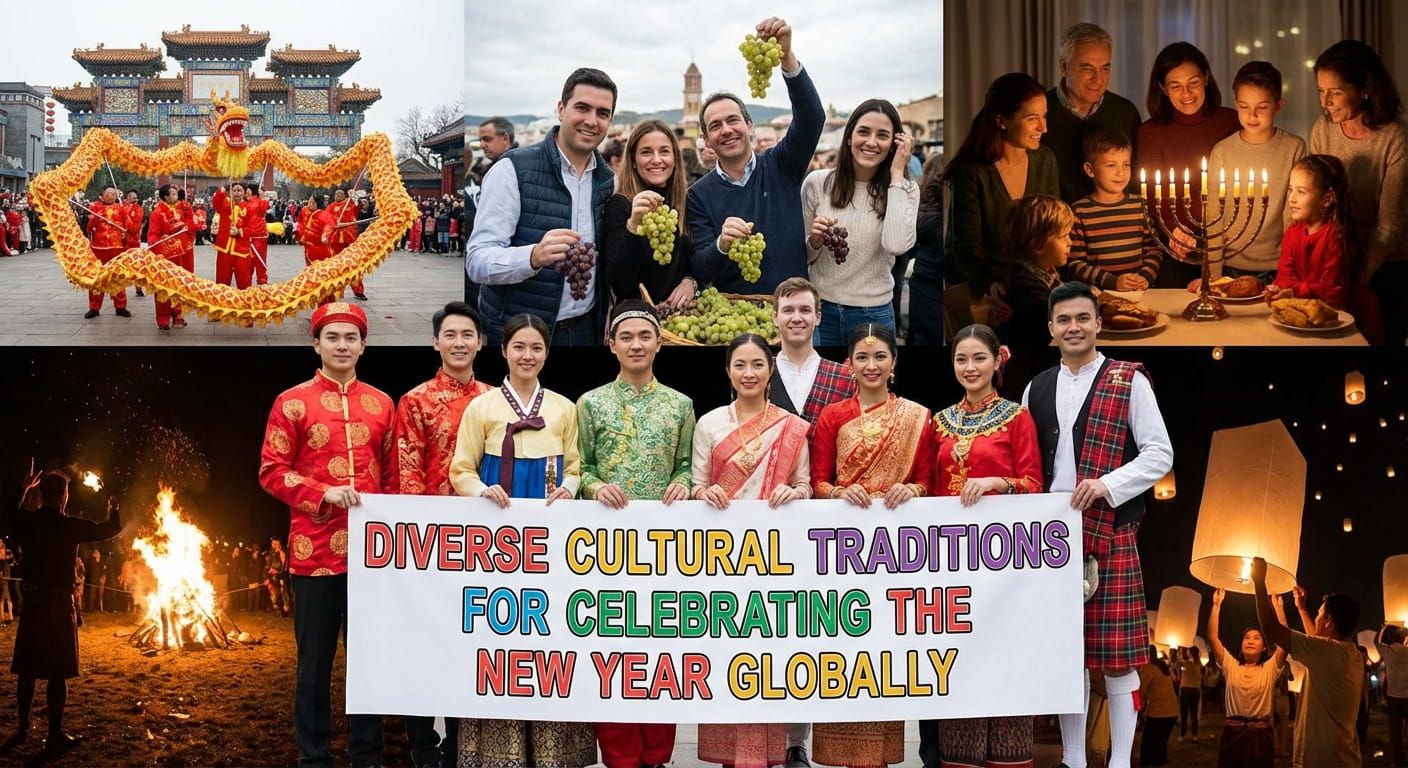
- Spain, grapes at the stroke of midnight: In many Spanish homes and city squares, people eat twelve grapes, one for each month, timed with the clock. The idea is simple, keep up, laugh if you fail, and step into the year with a mouthful of sweetness and a story to tell.
- Scotland, first footing and warm welcomes: In parts of Scotland, the first visitor after midnight can carry symbolic gifts and good fortune. Hospitality becomes the ritual, a reminder that community luck is built through ordinary generosity.
- Japan, quiet reflection and temple bells: Many people in Japan greet the season with a calm mood, family time, and traditions tied to renewal. If you are curious about local holiday timing and observances, browsing the Japan calendar holidays page is a practical way to see how official dates line up with cultural moments.
- China and many Chinese communities, Lunar New Year family reunions: The celebration centers on returning home, honoring elders, sharing feasts, and welcoming luck. Red decorations, lanterns, and envelopes can carry wishes for prosperity, health, and safety.
- India, many New Years depending on region and calendar: India holds multiple New Year traditions across states and communities. Some are tied to harvest, some to lunar cycles, and some to regional calendars. You can spot the variety by scanning the India calendar holidays page and noticing how different observances cluster by season.
- Brazil, seaside rituals and white clothing: In many Brazilian coastal areas, New Year gatherings include waves, candles, and offerings that symbolically carry thanks and hopes into the ocean. If you want date clarity for travel planning, the Brazil holidays listing helps you align festive days with closures and transport patterns.
- Philippines, round shapes for abundance: Round fruits, polka dots, and coins can all show up as symbols of prosperity. It is a playful example of how visual symbolism can make hope feel tangible.
- Greece, lucky bread and family games: A special cake or bread with a hidden coin appears in many homes. The moment of slicing becomes a gentle ritual of anticipation, often paired with a warm family gathering.
- Ethiopia, a New Year shaped by its own calendar: Ethiopia follows a distinct calendar system and celebrates New Year at a different time of year. It is a strong reminder that New Year is not one global timestamp, it is a cultural decision.
- Singapore, public celebrations alongside many cultural calendars: Singapore can feel like a meeting point of traditions, with January 1 as a civil holiday while other communities celebrate on different calendars. Seeing the official dates on the Singapore holidays page can help you plan visits, family gatherings, and quiet recovery days.
New Year timing and what to expect
If you are planning travel, managing a team across borders, or simply trying to understand your friends better, it helps to separate the idea of New Year into a few common patterns. The table below keeps it simple and visual.
| New Year type | Typical timing | Common feel | What visitors should know |
|---|---|---|---|
| Gregorian January 1 | Late December to early January | Countdowns, fireworks, parties, public gatherings | Expect closures on January 1, transport can be crowded, book early |
| Lunar based New Year | Late January to February, varies | Family reunions, temple visits, food rituals, red and gold symbolism | Travel surges are common, gift etiquette matters, ask before photographing rituals |
| Solar or regional calendar New Year | Spring or other seasons, varies by place | Renewal, water or flower symbols, seasonal foods | Dates can shift year to year, local media and official holiday listings help |
| Religious anchored New Year | Depends on the faith calendar | Prayer, fasting or feasting, reflection, community service | Dress codes may apply, quieter tone is common, follow local guidance |
Food traditions that taste like hope
Food is one of the most welcoming parts of New Year celebrations because it is a language you can share without perfect vocabulary. Many dishes do symbolic work. Long noodles can stand for long life. Round fruits can signal abundance. Sticky sweets can express the wish for close family ties.
What is striking is how often the symbolism is both practical and emotional. A feast is proof that people made it through the year. A shared table is a quiet agreement to keep taking care of one another. Even in places where celebrations are modest, a special dish can turn an ordinary night into a memory.
If you are invited into someone’s home, a few gentle habits travel well. Bring a small gift, ask about any food restrictions, and try at least a small portion of what is offered. Interest is usually received as respect.
A single paragraph with bulletpoints for easy scanning
Many New Year foods carry meanings that people mention with a smile:
- Sweet flavors can signal a sweet year ahead.
- Round items can symbolize coins, cycles, and completeness.
- Shared platters can represent unity and mutual support.
- Foods prepared by elders can carry family history and blessings.
Rituals of cleaning, clearing, and making space
In many cultures, cleaning is not just housekeeping, it is a storyline. You clear dust, you clear bad luck. You repair a broken hinge, you repair the feeling of being stuck. You replace old decorations, you signal readiness for something new. Even people who do not think of themselves as superstitious often feel a lift after tidying a room before a major moment.
This theme also shows up in social life. Some communities emphasize settling debts, making peace with neighbors, or speaking apologies that have been waiting too long. Not every gathering becomes a therapy session, but there is often an unspoken softness that says, start again, be kinder, keep going.
Sound, light, and the shared thrill of midnight
Some New Year celebrations feel like a collective heartbeat. Fireworks, drums, bells, and cheering can be a way to mark the exact moment the year changes. Light has its own role, candles, lanterns, sparklers, street displays, all turning darkness into something festive.
In places where sound is central, it often serves two purposes. It expresses joy, and it pushes away what people do not want to carry forward. Even if you do not share the belief behind it, you can still recognize the emotional logic. Noise says, we are not alone, and we are not powerless.
If you are sensitive to loud environments, you can still enjoy the season by choosing quieter spaces. Many cities offer family friendly earlier events, waterfront viewpoints at a distance, or daytime festivals tied to the New Year period.
Respectful participation when you are a guest
Travel can turn New Year into a cultural lesson you feel in real time. It can also be a moment when visitors accidentally step on toes. A few simple practices can help you join celebrations without making them about you.
- Ask before filming: Some rituals are public, others are personal, and the difference is not always obvious.
- Follow clothing cues: If locals dress modestly for a temple or a prayer service, match that tone.
- Learn one greeting: A short local New Year greeting, spoken sincerely, often opens doors.
- Be careful with sacred objects: If an item is used for prayer or offerings, treat it gently and do not handle it casually.
- Thank your host: Many New Year customs involve real work, cooking, cleaning, planning, and hosting. Gratitude lands well everywhere.
How public holidays shape celebrations and practical plans
The cultural side of New Year is only half the story. The other half is logistical. Public holidays affect transport schedules, shop hours, banking, and even the rhythm of entire cities. In some places, the New Year holiday is a single day. In others, it stretches into a longer period with additional days off.
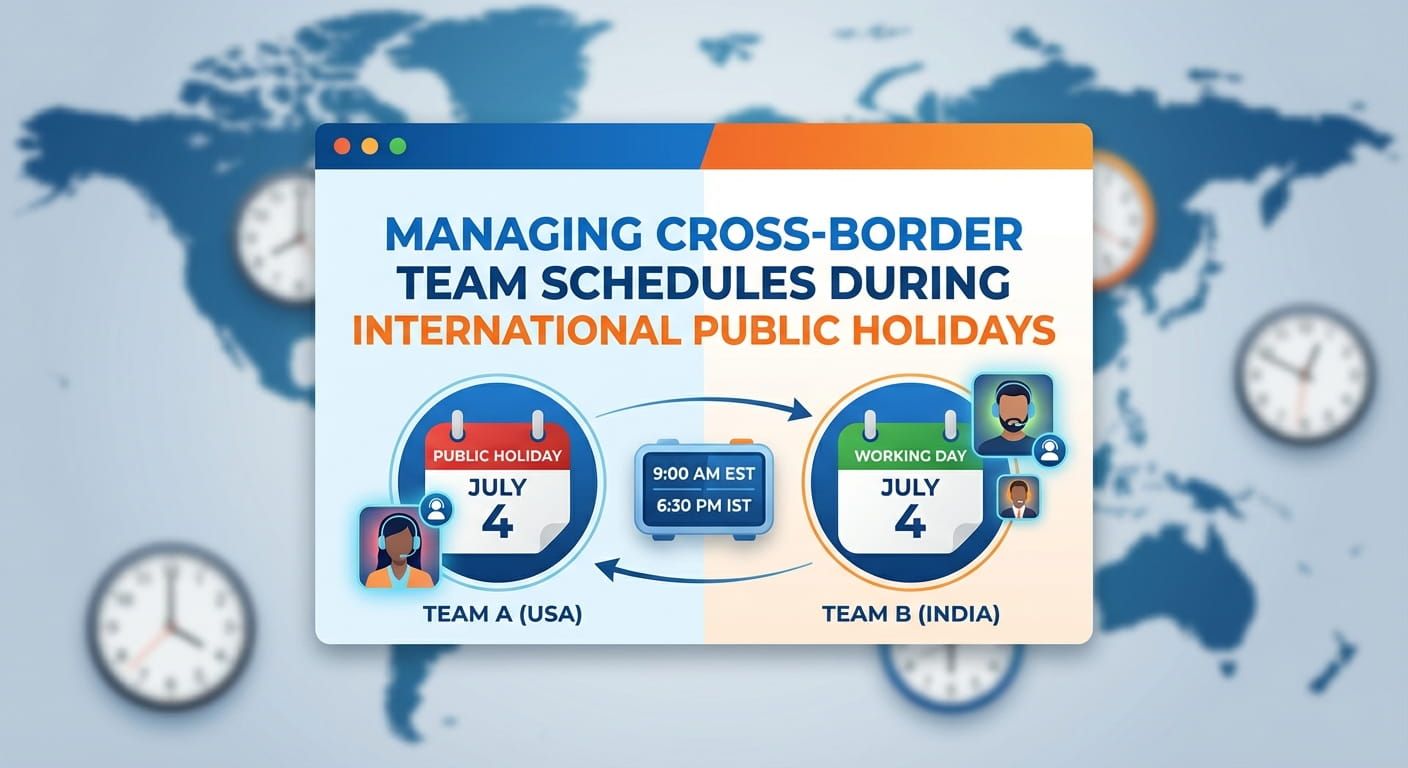
This is where a structured holiday view becomes valuable. When you can see official dates clearly, you can plan meals, meetups, travel connections, and rest days without last minute stress. It also helps teams working across time zones. A date that looks like a normal work day in one country can be a major holiday in another.
A helpful habit is to check holidays by country before committing to plans, especially if your trip overlaps New Year seasons. Hotel availability, flight prices, and local closures can change quickly when a major celebration is involved.
The emotional side of starting over
New Year traditions are sometimes described as superstition, but that misses the point. Many rituals are emotional tools. They help people process endings, name what they want, and feel less alone. They give the year a doorway. Walking through a doorway feels different than wandering forward without marking the transition.
Resolutions are part of this, even when people joke about breaking them. At their best, resolutions are not a strict contract. They are a small act of self respect. They say, I want my life to move in a certain direction. That intention can be quiet and still be real.
If you are creating your own New Year ritual, it can be simple. Write down one thing you want to release. Write down one thing you want to build. Share a meal with someone you care about. Take a slow walk. Send a message to an elder. These acts sit comfortably beside grand traditions because they serve the same human need.
Small ways to celebrate with meaning anywhere
Not everyone loves crowds, fireworks, or late nights. New Year can still feel special without the classic party script. Here are a few gentle ideas that travel well and fit many lifestyles:
- Cook one dish that feels symbolic to you, something sweet, something shared, something that took patience.
- Write a short note to your future self and tuck it away for next year.
- Make a gratitude list that includes people, not just achievements.
- Do a small reset, clean one corner of your room, fix one neglected task, donate one item you no longer need.
- Choose one tradition to learn about deeply, and talk with someone from that culture if you can.
Meaning does not require perfection. The point is to make the moment visible in your life, even if it is quiet.
A final toast to the many ways humans begin again
New Year celebrations are a living reminder that time is both personal and shared. One person counts down in a packed street. Another lights a candle at home. Another visits a temple, or cooks a family recipe, or calls a relative who lives far away. Different calendars may place the moment on different dates, but the message is familiar. People want to step into the next chapter with warmth, intention, and company. If you carry that spirit, you can understand the tradition even before you know its details.