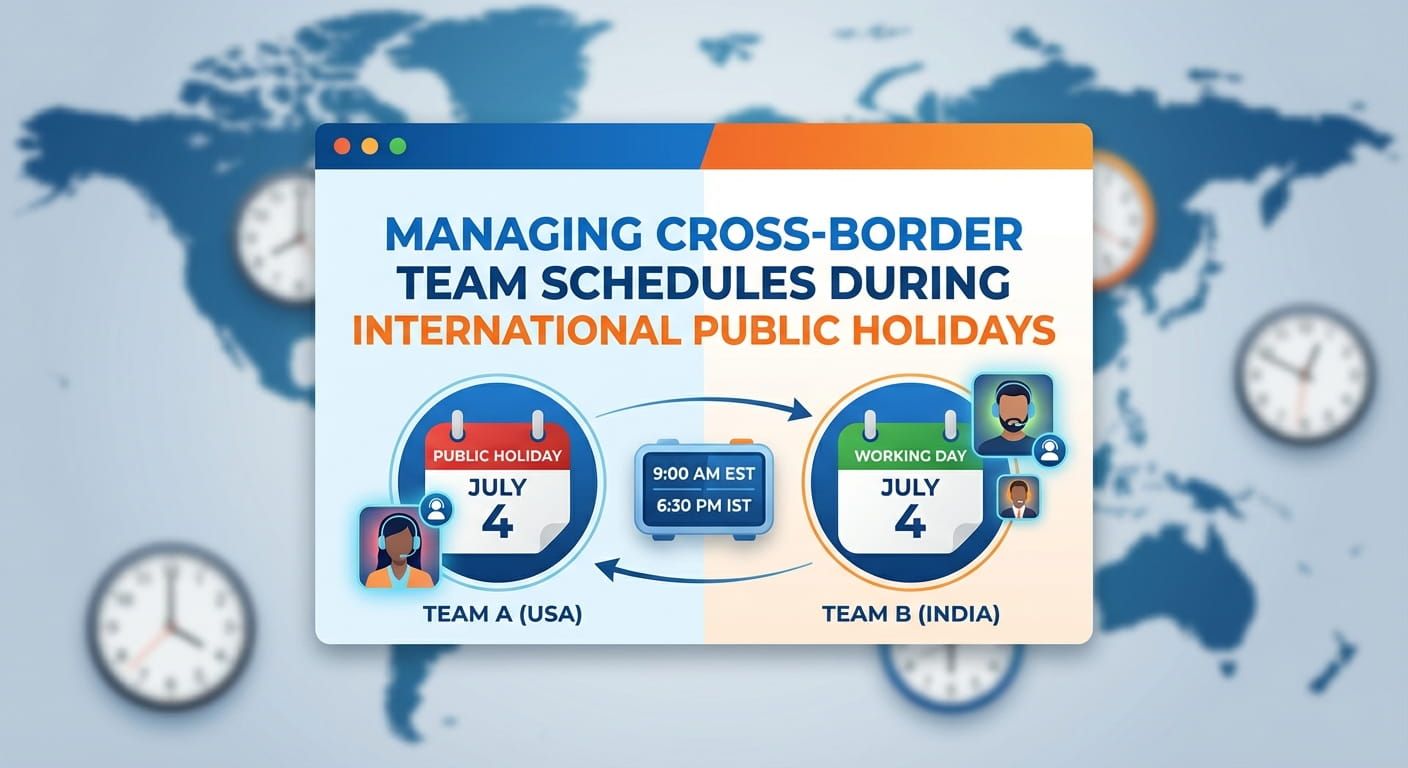
International public holidays can turn a normal workweek into a puzzle, especially when your team spans continents. One office is closed, another is online, and a third is half available because schools are off. The good news is that schedule chaos is not a personality trait of global teams. It is a systems problem, and systems can be designed.
Build a holiday aware scheduling routine that your team can repeat. Track each country’s public holidays early, agree on shared overlap hours, and plan deliverables around local closures. Use async by default, set clear response expectations, and protect personal time on holidays. Keep a single source of truth for time zones, handoffs, and who covers what. With a few simple rules, global work feels steady even during busy holiday seasons.
1) What should you decide first when planning meetings across countries with different public holidays?
2) A teammate is on a national day holiday. What is the best default?
3) Why do holidays create hidden schedule issues beyond office closures?
What makes public holidays tricky for global teams
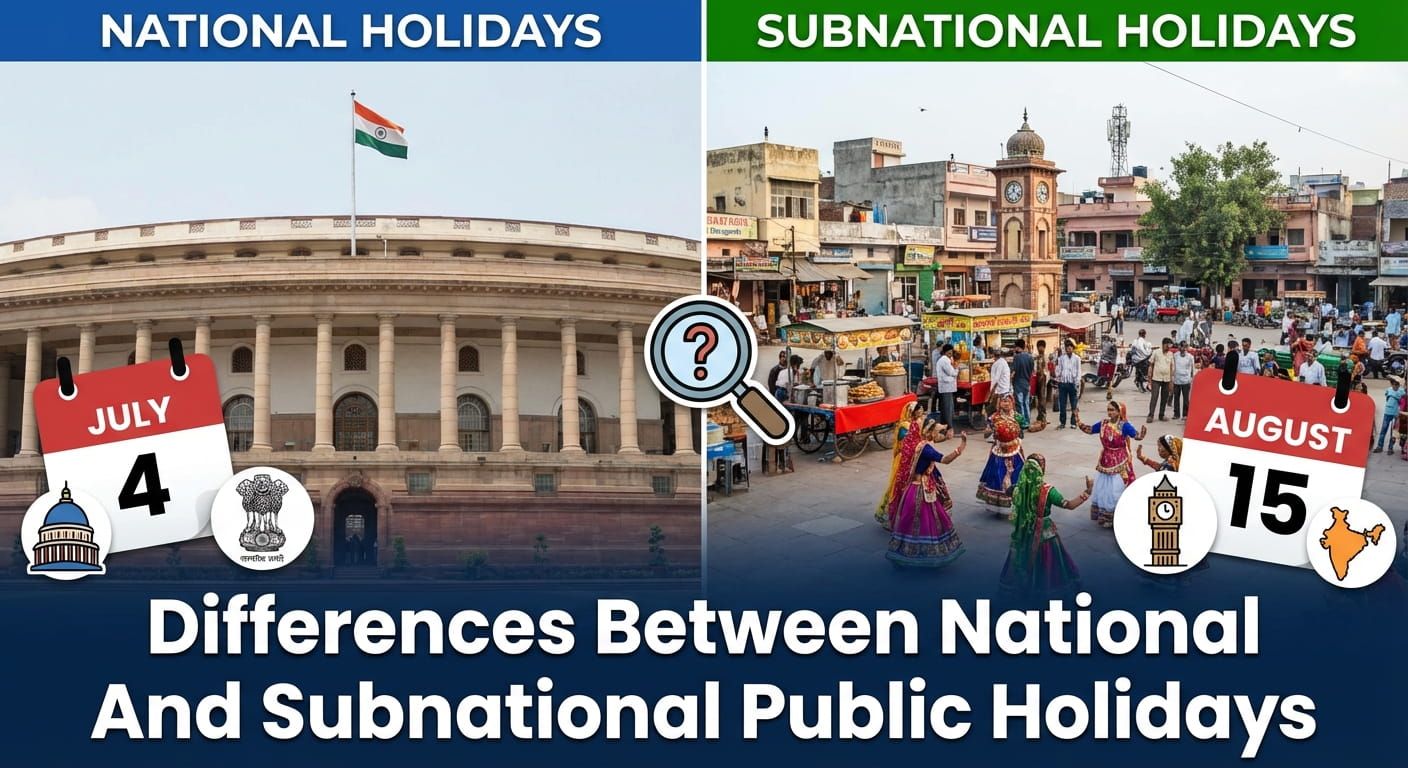
On paper, a public holiday looks simple. One date, one country, one day off. In real life, it can stretch into a week of slow replies, delayed approvals, and missed handoffs. Some places observe holidays on the nearest weekday. Some have partial closures. Some industries stay open while others shut down. Even within one country, regions may have different days off.
Then there is the human side. People travel. Families visit. Childcare changes. Local transport runs on a reduced schedule. Colleagues might check messages lightly, or they might be fully offline. Neither is wrong. The uncertainty is what causes stress, because work still moves in other time zones.
Another common curveball is the chain effect. If a key partner office is closed, your team might still be working, but you cannot get a required answer. That creates idle time. Idle time creates pressure. Pressure creates rushed meetings at odd hours, and that is where global teamwork starts to feel unfair.
A small mindset shift helps
Treat holidays as predictable constraints, not interruptions. The date is known, the impact can be estimated, and the plan can be shared.
Use a reliable holiday source before you plan anything
If your team is in several countries, guessing holidays is a fast path to mistakes. A shared holiday directory keeps everyone aligned, especially when a project involves teammates in places you do not personally track.
For example, global public holiday listings can be a handy starting point for browsing and sanity checking what is coming up. From there, country pages are useful when you want the exact date, the holiday name, and who observes it.
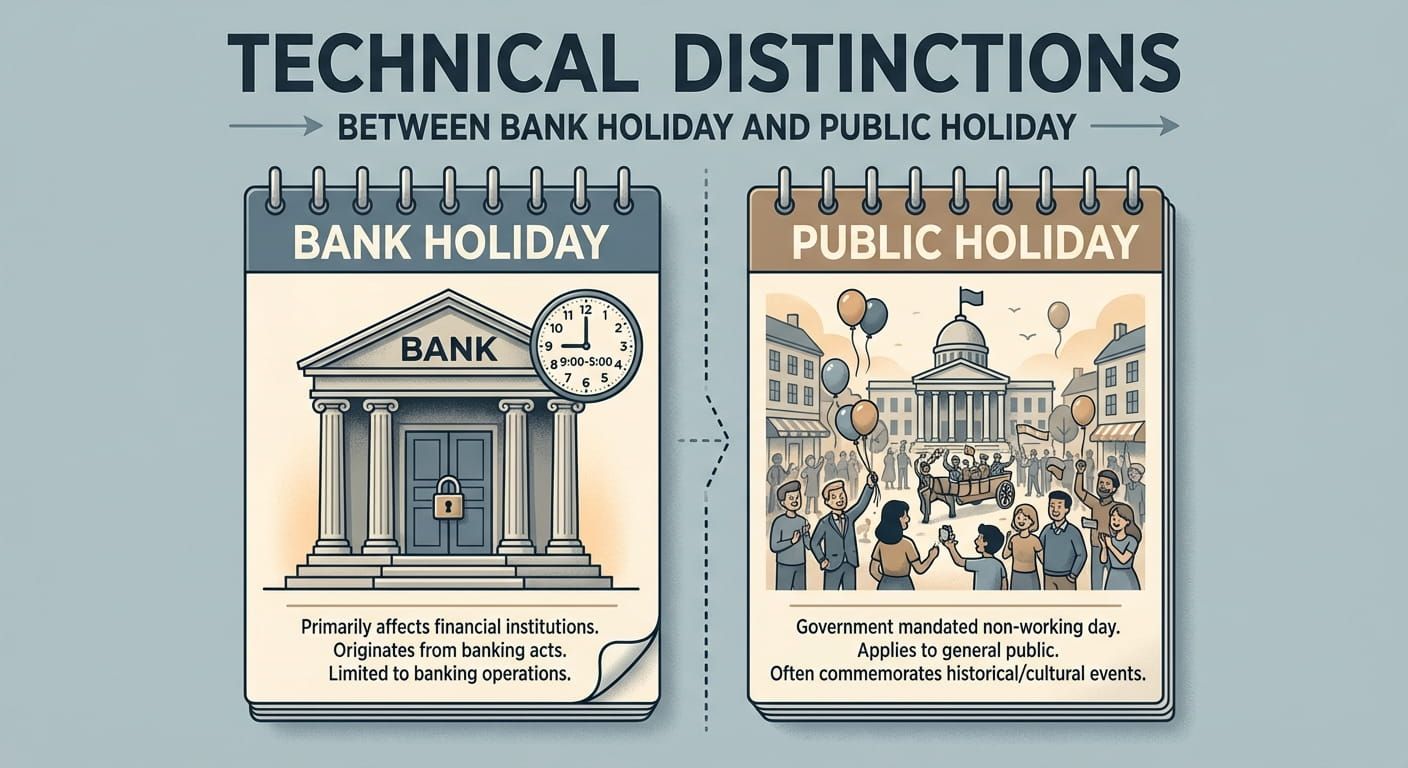
One more detail matters. Holiday names can look similar across countries but mean different things. Some are official public holidays. Some are observances that do not close workplaces. Your planning system should reflect that difference. If your directory explains observance details, it saves you from awkward follow up questions later.
Build a simple scheduling policy your team can repeat
Policies do not need to be heavy. A few shared rules can reduce the number of messages you have to send. They also make decisions feel fair because you are following an agreed approach, not improvising under pressure.
- Define overlap hours for the whole team, then define smaller overlap windows for sub groups.
- Mark holidays early for each country, at least one quarter ahead, then review monthly for updates.
- Choose async by default for status updates, decisions that can wait, and routine approvals.
- Protect holidays by treating them like true time off, not optional attendance.
- Plan coverage for urgent tasks, with clear owners and clear scope.
- Rotate inconvenience for any meeting that must land outside someone’s normal hours.
- Document handoffs so work can move without chasing people across time zones.
Once these are written down, every new project starts from the same baseline. That consistency is calming. It also helps new teammates ramp up without learning hard lessons the slow way.
Choose a meeting rhythm that respects local time and local holidays
The most common scheduling mistake is trying to keep the same meeting schedule year round. Global teams rarely have a stable overlap window that stays perfect across seasons. Daylight saving changes, school schedules, and holiday clusters can shift everything.
Instead, pick a rhythm that adapts. For example, you might run a short live sync weekly during a stable period, then switch to an async update plus a smaller office hours session during heavy holiday months.
- Anchor meeting times to overlap hours, not to one city’s preferred time.
- Keep meetings short, then move details into a written recap.
- Use office hours for optional discussion, especially when several regions are in holiday mode.
- Batch decisions into fewer meetings when possible, because context switching is harder across time zones.
Even small changes can have a big effect. A recurring meeting that lands at 7:00 PM for one region is more painful during holiday travel weeks. If you shift it earlier for a month, you gain goodwill that shows up later when deadlines are tight.
Map your team’s holiday calendar with tiers, not just dates
Not every holiday has the same operational impact. A good schedule map separates holidays into tiers. This makes planning less dramatic because you can respond with the right level of adjustment.
| Tier | Typical situation | Scheduling move | Communication style |
|---|---|---|---|
| Tier A | Most workplaces closed, travel common, services reduced | Avoid deadlines, avoid required meetings, plan coverage | Short written updates, decisions documented clearly |
| Tier B | Mixed closures, partial staffing, slower approvals | Keep work moving, shift reviews earlier, extend buffers | Set response expectations and handoff notes |
| Tier C | Observance, minor impact, normal operations for many | Keep meetings, offer optional attendance if needed | Light mention in agendas, no heavy changes |
Once your team uses tiers, conversations become easier. People stop debating whether a date is a big deal. They look at the tier and follow the plan.
Design handoffs that do not rely on someone being online
Holiday weeks expose fragile handoffs. If a task depends on a single person replying in real time, a holiday can stall the entire chain. A better handoff design assumes delays and works anyway.
Here is a handoff template that works across engineering, marketing, operations, and support.
- What changed, a short summary in plain language.
- Current status, what is done and what is pending.
- Next step, one clear action that someone else can take.
- Risk, what might break, and what to watch for.
- Owner, who to contact, plus a backup if the owner is away.
- Links, the exact docs, tickets, or threads needed to continue.
Write handoffs as if the reader will see them eight hours later. That single assumption improves clarity. It also keeps holiday time from turning into a game of message ping pong.
Set expectations for response time without being rude
Teams often avoid talking about response time because it feels personal. Yet holidays are exactly when this clarity saves relationships. People should not have to guess whether a message needs an immediate reply.
A small set of labels helps. Use language your team already likes. Keep it short. Keep it consistent.
Example labels for messages
Needs today Needs this week Info only
During a holiday period, the goal is not to demand faster replies. The goal is to reduce anxiety. If someone sees “Info only,” they can enjoy their day off without worrying that they missed a hidden emergency.
Plan the year by looking for holiday clusters
Single day holidays are manageable. Clusters are where schedules slip. Many countries have periods where several holidays land close together. Add travel and school breaks and you get a natural slowdown. That slowdown is not a failure, it is a season.
When you plan a quarter, scan for clusters in every region represented on your team. If you want a sense of how different countries compare, countries with the most public holidays can help you spot places where the calendar has more frequent official days off. Use it as context, not as a reason to judge anyone’s schedule.
Once clusters are visible, you can make smarter choices. You might schedule deep work and project build time during a cluster, then schedule launches during a higher overlap season. You can also shift review cycles so approvals do not pile up right before a closure.
Keep one shared calendar view that everyone trusts
Global scheduling falls apart when people have different sources of truth. One person relies on a local calendar. Another relies on a shared spreadsheet. Another relies on memory. The fix is to keep one shared view that is easy to check and easy to update.
This shared view should include:
- Team member location and time zone
- Public holidays that affect availability
- Planned time off that is not a public holiday
- Coverage assignments during closures
- Key deadlines and review windows
For teams working across many countries, it helps to keep country pages handy for reference during planning. If you collaborate with colleagues across the Atlantic, checking a United States holiday calendar can prevent accidental meeting bookings on federal holidays. If you work closely with partners in Japan, a Japan holidays view helps you anticipate weeks with lower overlap. If you coordinate with teams in the United Kingdom, using a United Kingdom holiday calendar helps you plan around bank holidays that often affect availability.
A calm way to wrap up holiday season planning
Managing cross border schedules during international public holidays is not about squeezing productivity out of people who are supposed to be resting. It is about building a system that keeps work steady while humans live their lives.
Track holidays early. Agree on overlap hours. Use async updates as your default. Write handoffs that can survive time zone gaps. Set clear expectations for response time. Rotate inconvenience when live meetings are truly needed. Do those things, and your global team will feel less rushed, less guilty, and more connected.