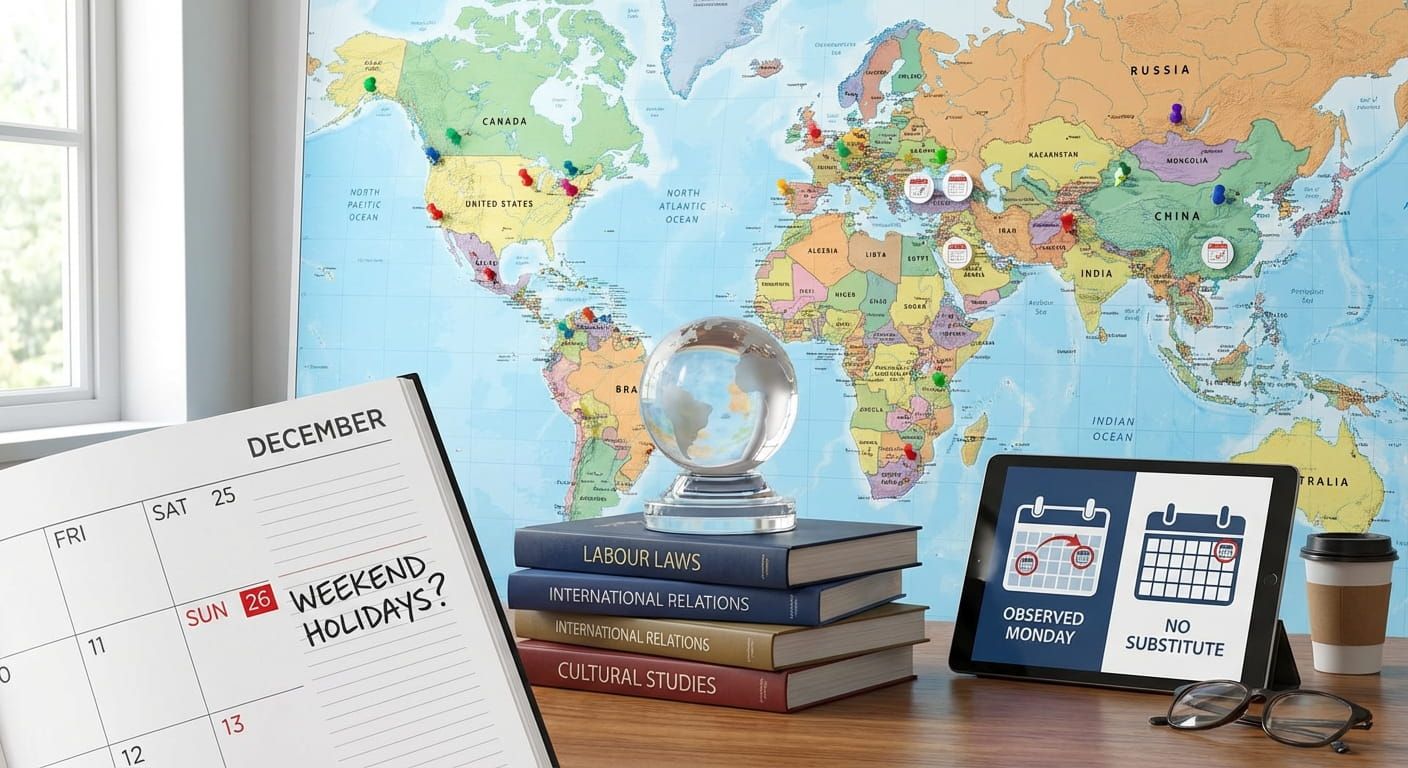
A public holiday can feel simple, a day off, a parade, a family meal, a closed bank. Then you plan a trip, schedule a project, or try to pay a bill across borders, and you realize something odd. The same holiday name can mean different rules, different dates, and different impact, depending on where you stand on the map.
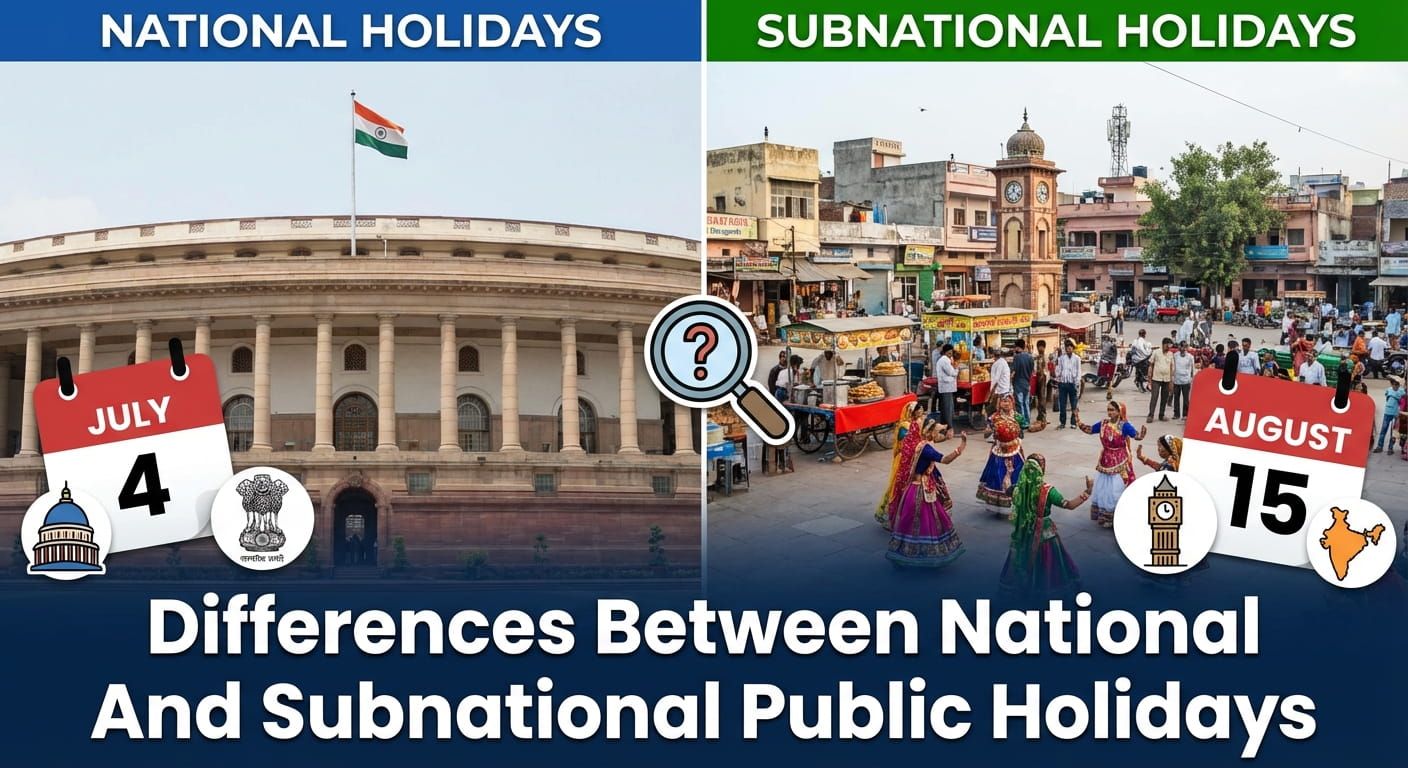
National public holidays apply across an entire country, set by a central authority, and usually shape nationwide closures. Subnational public holidays apply only to specific regions such as states, provinces, territories, or cities, often reflecting local history, religion, or identity. The difference matters for travel, payroll, school calendars, and cross border work. Always check which level a holiday belongs to, where it is observed, and whether moving day rules or sector exceptions change the actual day off.
Holiday level quiz
Pick an option for each question, then check your score. This is built to match real planning decisions, not trivia.
What a public holiday really means
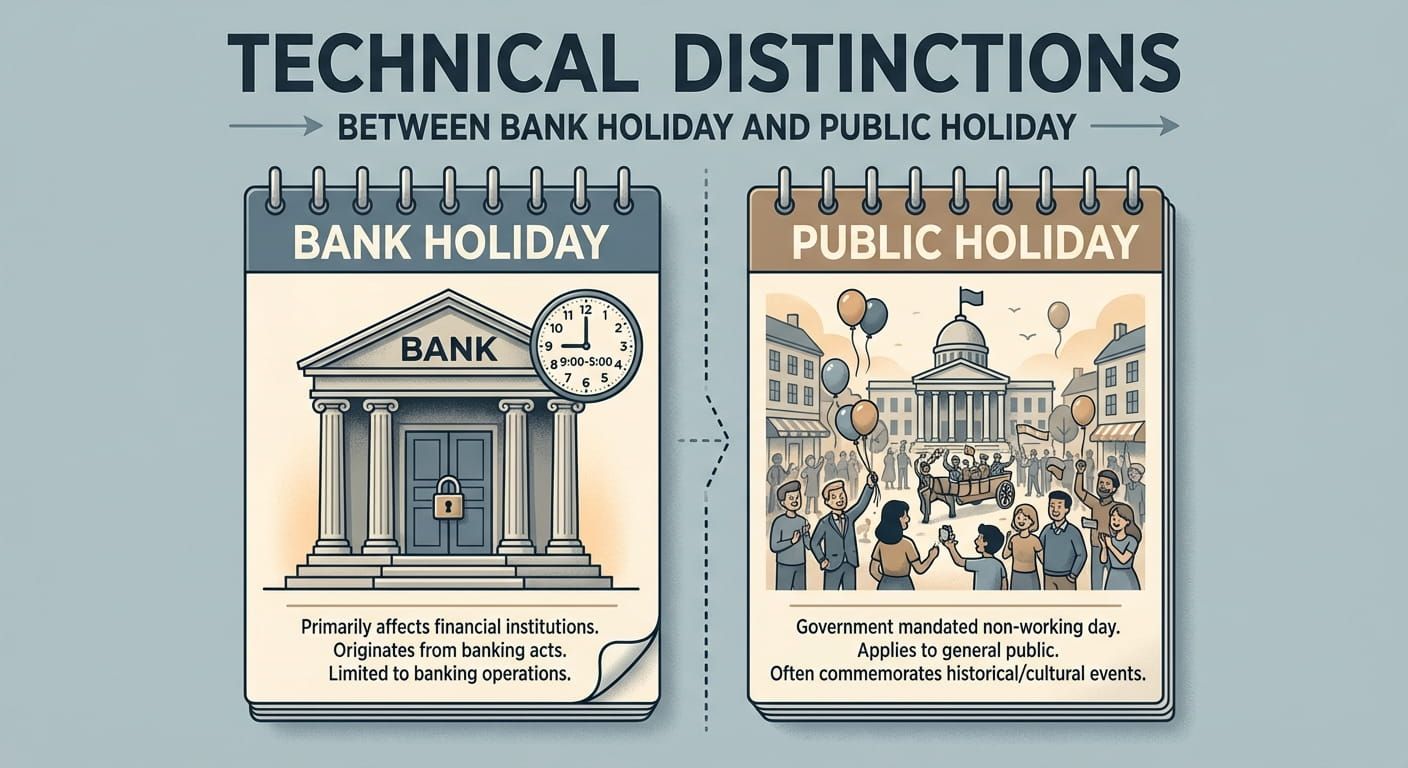
Public holiday is a broad label. In many places it means government offices close, banks pause, and schools shut. In other places, it means some workers get premium pay while essential services keep running. Shops might open with shorter hours. Transport might follow a weekend timetable. A holiday can be official but not widely felt, or widely celebrated but not a legal day off.
The key difference in this article is not about how fun a holiday is. It is about who declares it, and where the rule applies. That is the split between national and subnational public holidays.
A simple planning habit helps, treat each holiday as a rule with a map. The name is only the label. The map tells you the impact.
National public holidays explained in plain language
A national public holiday is set at the country level. It applies across the whole country, including all regions, unless the law includes a special exception. National holidays usually come from a central government, parliament, or a head of state office, depending on how the country is structured.
These are the days most people expect to see on a nationwide calendar. Think independence days, national days, major religious observances recognized by the state, and official year end days. Some countries publish a single national list, and that list is the baseline for schools, payroll, and public services.
If you want a fast snapshot of what is coming up in the near future, the holiday directory at holidays index is built for scanning upcoming dates across countries.
Subnational public holidays and why they exist
A subnational public holiday is declared below the country level. It might be a state holiday, a provincial holiday, a territorial holiday, a cantonal holiday, or even a city level holiday. The name changes, but the idea stays the same, the holiday applies only inside a defined region.
These holidays exist because local identity matters. A region might have a patron saint day, a founding anniversary, a regional cultural festival, or a historic event with deep local meaning. In federal systems, regions often have legal authority to set their own holidays. In unitary systems, regions may still get locally recognized days off, sometimes through local government decisions or long standing practice.
Subnational holidays can be a joy for locals, and a surprise for visitors. They can also cause real friction for businesses when a headquarters assumes one national schedule covers everyone.
A clear comparison you can keep in your head
| Feature | National holiday | Subnational holiday |
|---|---|---|
| Who declares it | Central authority | Regional authority |
| Where it applies | Across the whole country | Only in certain regions |
| Planning impact | Nationwide closures more likely | Localized closures, mixed availability |
| Common examples | National day, major state recognized religious days | Regional founding day, local religious patron day |
| Risk if you miss it | Wide disruption | Missed meetings, delayed local services |
Where the confusion starts, one country, many calendars
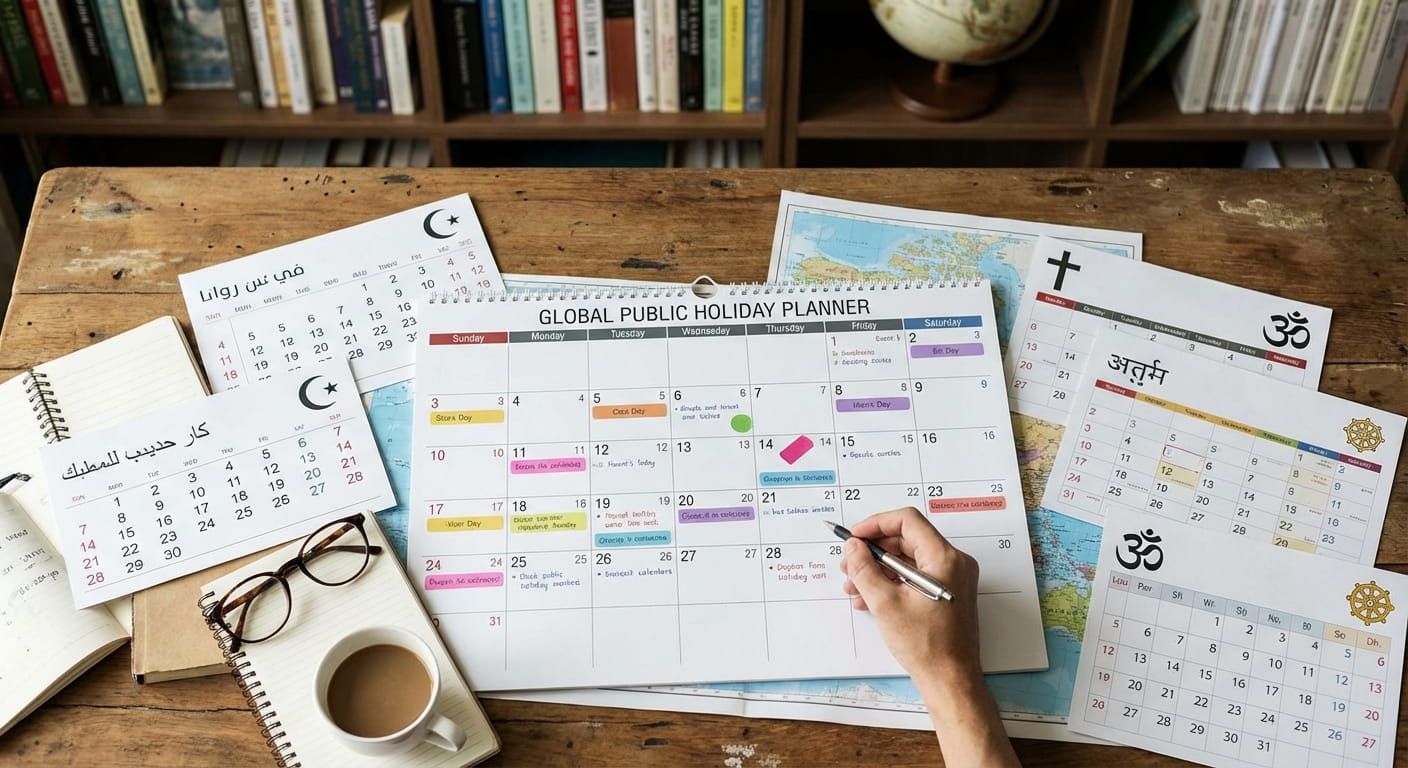
Confusion shows up when people assume a country has one official calendar that everyone follows. That is true in some places. It is not true in many others. A federal country can have a national list plus state lists. A country with autonomous regions can grant additional days off locally. Even small territories can have their own holiday rules that differ from the mainland.
The most common mix ups happen in three situations.
- Same holiday name, different scope. A holiday might be national in one country and regional in another.
- Same scope, different observed date. The holiday is national, yet the day off shifts due to weekend rules.
- Same date, different sectors. A holiday can be public for government offices, but optional for private employers.
The mechanics, who gets the day off and who does not
Holiday laws rarely apply to everyone in exactly the same way. Even a national public holiday can have exceptions. Hospitals, emergency services, utilities, and transport often run. Retail may open. Some industries get premium pay instead of time off. Schools can follow education ministry calendars that add or remove days for practical reasons.
Subnational holidays amplify that complexity because a business might have offices in multiple regions. It is common to see a head office open while a branch office is closed, all inside one country.
If you pay people across regions, a holiday is not only a date. It is also a payroll rule, a staffing rule, and sometimes an overtime rule.
A listicle of practical differences you can act on
- Authority. National holidays come from central law, subnational holidays come from regional law or regulation.
- Coverage. National holidays aim for countrywide coverage, subnational holidays cover a defined region only.
- Uniformity. National lists are more consistent, subnational lists vary widely inside the same border.
- Service impact. National holidays often affect national services, subnational holidays tend to affect local offices more.
- Travel planning. National holidays can crowd airports nationwide, subnational holidays can crowd only certain cities.
- Business scheduling. National holidays shape company wide closures, subnational holidays shape branch level staffing.
- Policy writing. National holidays fit a single handbook line, subnational holidays need location based rules.
- Observed date changes. Both types can shift, but subnational holidays can also differ by region on the same year.
Observed dates and weekend rules that change everything
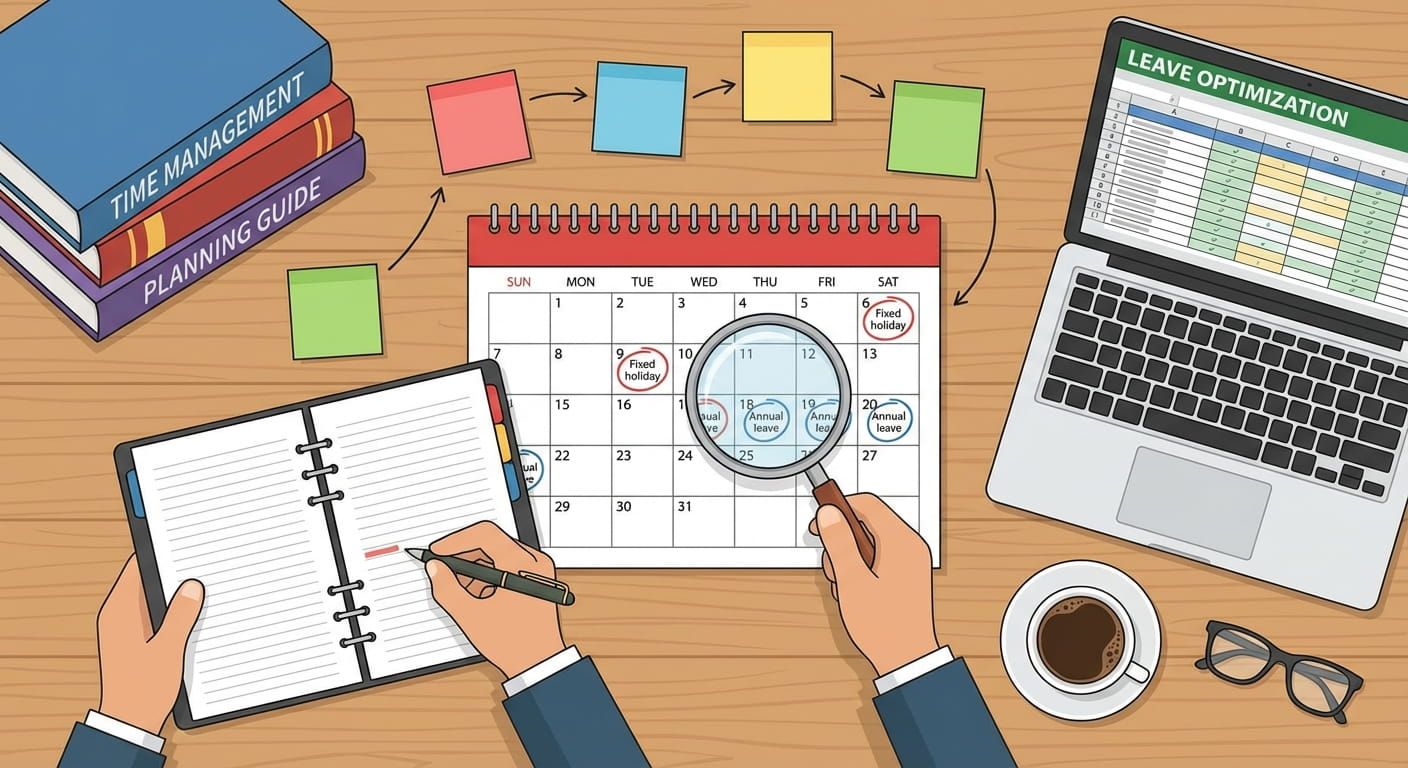
Some holidays are fixed to a calendar date. Some are tied to a weekday. Some follow lunar calendars. Then you get the extra layer, observed dates. If a holiday falls on a weekend, a country or region may shift the day off to Friday or Monday. That means the holiday name and official date can stay the same, while the day people take off moves.
If you want a deeper look at how these shifts work, especially around weekends, the article weekend public holiday rules is a helpful companion for scheduling and travel.
Real world examples without the legal jargon
Examples make this feel real fast. Many countries have national days that are clearly nationwide. Then you see regions with their own extra days that people nearby may not even notice. In one region, schools close and the town throws a festival. Two hours away, it is a normal workday.
If you want to see how a single country page presents upcoming dates and names in one place, check Singapore holidays for a clean list you can reference while planning.
For a very large country where regional differences are a daily reality, viewing United States holidays can help you spot the national anchors before you layer in state level rules.
How to plan across regions without losing your mind
Here is a simple workflow that works for travel, school planning, and team scheduling. It is not fancy. It is consistent, which is what you need.
- Start with the national list. Identify the holidays that apply countrywide.
- Add your exact region. Look for state, province, or territory additions.
- Check observed day rules. Confirm whether the day off shifts due to weekends.
- Confirm sector impact. Banks, schools, and government offices can follow different rules.
- Lock dates into your calendar. Share the same source of truth with your group.
- Recheck before peak seasons. Some holidays are announced or clarified close to the date.
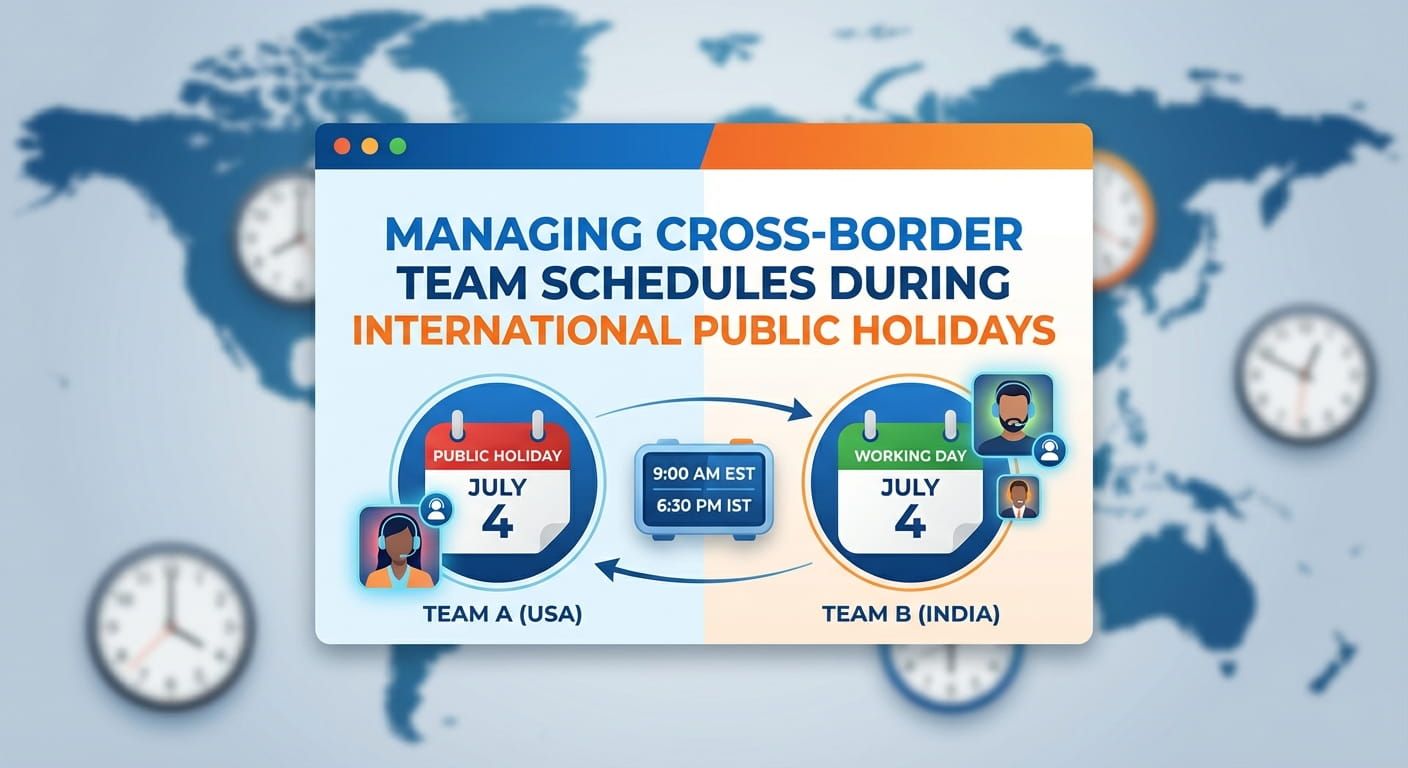
Cross border teams feel the sharp edge of this topic. A shared meeting time can land on a holiday for half the team, and a normal workday for the other half. If you manage people across countries and regions, the guide managing cross border team schedules international public holidays fits naturally with the planning steps above.
Signals that a holiday is subnational
Sometimes a holiday listing tells you the scope clearly. Sometimes it does not, especially when people share dates informally. These signals often point to a subnational holiday.
- The holiday name includes a region name, a city name, or a local hero.
- Only certain government offices mention it, not national ministries.
- Local schools close but national banks remain open.
- People in nearby regions are surprised when you mention it.
Why some places have many more public holidays than others
Total holiday counts are shaped by culture, religion, history, and political structure. A country with many regions that can add their own days often ends up with higher variation inside its borders. Another country might keep a tight national list, with few local additions.
If you enjoy comparing how different places stack up, the piece countries most public holidays gives extra context for why some calendars feel packed while others feel sparse.
Common mistakes that cause missed deadlines
These mistakes show up again and again. Avoiding them saves real time.
- Assuming one calendar covers all regions. This fails fast in countries with strong regional authority.
- Ignoring observed dates. The holiday is real, but the day off shifts and catches people off guard.
- Confusing public and optional. Some holidays are official, yet only certain sectors close.
- Scheduling travel on regional peak days. You can hit crowding without realizing the reason.
- Writing policy without location fields. Staff end up asking the same question every year.
A simple way to read holiday pages on time.so
Think of each holiday entry as three parts, the date, the name, and the place that observes it. The place is the key. If the place is a country, it is typically national. If the place is a region within a country, it is subnational. This is also why a global directory is helpful, you can scan places side by side and spot scope differences quickly.
If your planning touches Europe where regional public holidays are common, browsing Germany calendar holidays can highlight how local observance can vary in ways visitors do not expect.
Putting it into practice for travel, school, and work
Travel planning, check whether your destination has a subnational holiday that closes attractions or changes transport. School planning, confirm the education calendar, which may add local days beyond national rules. Work planning, map each office location to the holidays that apply there, then share a single team calendar view.
The best part is that you do not need to memorize everything. You need a habit, always ask two questions, what level declared this holiday, and where does it apply. Once you do that, most confusion fades.
The calendar feels calmer when scope is clear
National and subnational public holidays are not competing ideas. They are two layers that help communities mark what matters. For planning, the trick is to treat the holiday name as the start, not the final answer. Check the scope, check the place, then check observed day rules. Do that, and your trips run smoother, your projects hit fewer snags, and your time off lands the way you expected.