A holiday landing on a Saturday or Sunday can feel like the calendar is stealing a day off. Yet across the world, governments have built simple rules to keep things fair, keep payroll clean, and keep schools and public services predictable. If you travel, work with international teams, or plan events across borders, weekend holidays are one of the easiest places to get tripped up. This guide maps the most common patterns, the real world exceptions, and a practical way to plan without guesswork.
When a public holiday falls on a weekend, many places grant a substitute day off on the nearest working day, often Monday. Some shift Saturday holidays to Friday, some only replace Sunday holidays, and some do not shift at all. Special rules apply to multi day festivals, banking holidays, and countries with different weekend days. The safest approach is to check each country calendar, note the substitution rule, and confirm what employers and schools actually follow.
Try The Weekend Holiday Rules Quiz
What People Mean By Observed Holiday
An observed holiday is the day a holiday is officially taken off, even if the actual date lands on a weekend. This matters because payroll systems, school calendars, public transport schedules, and government service hours are usually built around the observed day. In many countries, the official status is written into law. In others, it is set by government notices each year. Private employers may follow the government date, or choose their own policy.
Small detail, big ripple. A single observed day shift can change flight prices, border office hours, school attendance, and whether support teams are on call.
The Main Ways Countries Handle Weekend Holidays
Most rules fit into a handful of patterns. The names differ, but the behavior is familiar once you know what to look for. To keep the overview readable, the examples below refer to public sector practice, since that is usually the baseline that private employers copy.
Pattern One, Move Sunday Holidays To Monday
This is common in places that treat Sunday as the main rest day. If a holiday lands on Sunday, the next working day becomes a day off. If Monday is already a holiday, the substitute day can roll forward again. This rolling idea is important, because it prevents a pile up of holidays from disappearing.
Pattern Two, Shift Saturday To Friday, Sunday To Monday
This approach protects both halves of the weekend. It is widely used for federal style holidays where the government wants a predictable three day weekend for workers. You will see it in policies for public employees, banking, and large employers with standardized calendars.
Pattern Three, Use The Next Working Day
In countries where the weekend is Friday and Saturday, the substitute day is often Sunday. In countries with mixed weekends, it can be Monday or another weekday. The key is the phrase next working day. It sounds obvious, yet it is the reason a Monday assumption fails in many regions.
Pattern Four, No Substitution
Some countries do not offer a substitute day at all, or only do so for a limited set of holidays. People still celebrate on the date. Schools and offices may still close on the date. The difference is that the law does not grant an additional weekday off. This often happens where the holiday has a strong cultural or religious focus and the emphasis is on the date itself.
Pattern Five, Substitute Only For Specific Holidays
A government may grant substitute days for national days and major public holidays, but not for minor observances. Sometimes the list is explicitly named in labor law. Sometimes it is done by yearly proclamation.
Table Of Common Rules
| Rule pattern | Where it is often seen | How it usually works | Planning tip |
|---|---|---|---|
| Sunday to Monday | Many Sunday weekend systems | If the holiday is on Sunday, Monday becomes the observed day | Check if Monday becomes a day off for government offices |
| Saturday to Friday, Sunday to Monday | Some federal style calendars | Weekend holidays are observed on the nearest weekday | Expect long weekends, confirm retail and schools separately |
| Next working day | Countries with non Sunday weekend patterns | The day off moves to the next day people normally work | Always map the local weekend before you assume Monday |
| Rolling substitute | Places with consecutive holidays | If the substitute day hits another holiday, it rolls forward again | Watch for two day closures turning into three or four |
| No substitution | Some jurisdictions and specific holidays | The holiday is marked on the date only | Do not promise a weekday day off unless local law says so |
| Sector specific | Banking, education, civil service | Different sectors observe different days | Ask, are we talking about banks, schools, or all workers |
The List Of Rules You Will See Again And Again
If you only remember one section, make it this one. These are the repeat offenders behind scheduling surprises.
- Substitute day off, a weekday off is granted because the holiday hit a weekend.
- Observed day for payroll, pay codes follow the observed date even if celebrations happen on the real date.
- Nearest weekday, Saturday shifts backward, Sunday shifts forward.
- Next working day, a flexible rule that depends on the local weekend.
- Rolling rule, the substitute day moves again if it collides with another holiday.
- Partial substitution, only certain holidays qualify, often national days or major religious days.
- Bank holiday only, financial institutions close, other workplaces may remain open.
- Regional variation, different states, provinces, or territories can have different rules.
- Employer discretion, private companies may choose a different observed day than the government.
- Collective agreements, unions and contracts can add extra days or different substitution logic.
Why Weekend Rules Differ So Much
Weekend substitution is not just about fairness. It is also about how a country defines rest days, how it balances religious practice with economic life, and how it writes labor protections. A country with a Sunday weekend tends to protect Sunday holidays differently from a country where the main weekly rest day is Friday. A country with a long list of public holidays may be more selective about which ones get substitutes. Another might grant substitutes widely, but place limits on how many can be rolled forward.
There is also a political side. A new holiday can be popular, but businesses worry about productivity, and governments worry about service coverage. Substitution rules are a compromise. They preserve the meaning of the holiday while keeping the work week predictable.
Real World Examples Without The Guesswork
A helpful move is to check country calendars that clearly show observed dates alongside holiday dates. A directory like global holiday directory makes it easier to see what is coming up, especially if you are planning travel or coordinating meetings across time zones. From there, you can drill into country pages and spot whether weekend holidays get an extra weekday off.
Singapore, A Clear Day In Lieu Approach
In Singapore holidays, the idea many residents know is simple, if a public holiday falls on a Sunday, the next working day is a public holiday. This is the sort of rule that makes Monday closures predictable. It also shows why a global team should not assume the same rule applies everywhere.
United States, Observance Depends On The System You Use
In United States holidays, you will often see weekend observance described in terms of which calendar you mean, federal employees, state rules, and private employers can differ. Many workplaces treat Saturday holidays as observed on Friday and Sunday holidays as observed on Monday, yet it is not uniform across all sectors. That is why an official looking date can still fail to match what a school district or a local government office follows.
Japan, Substitute Holidays And Calendar Logic
On Japan calendar holidays, you can see how substitute logic can become more complex in a packed holiday season. When several holidays cluster, the practical outcome is that closures can extend in ways that surprise visitors. This is not random, it is the calendar rule doing its job to protect the day off.
How To Plan For Teams, Travel, And Deadlines
Weekend holiday rules show up in three places, staffing, delivery timelines, and public service access. Planning gets easier when you treat holiday observance as a data problem, not a memory test.
This paragraph is built for easy scanning:
- For staffing, confirm which offices are truly closed, not just celebrating.
- For shipping and logistics, check customs and port hours, not only store hours.
- For deadlines, look at the next working day rule, because it can shift due dates in contracts.
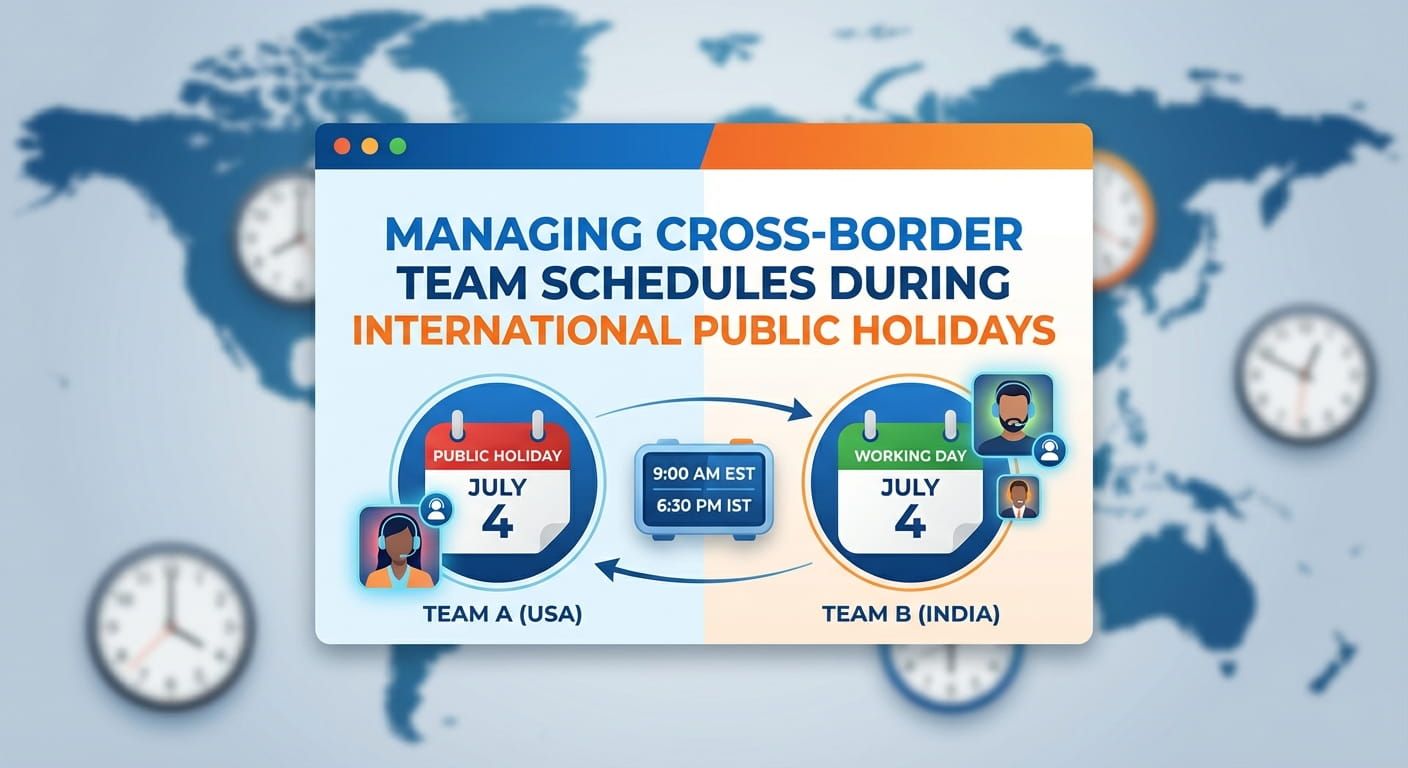
- For support rotations, map the overlap, one team may be off while another is fully online.
If you manage people across borders, managing cross border team schedules is the practical lens, because the hard part is not knowing a holiday exists, it is knowing what it does to coverage and expectations.
A Simple Workflow For Avoiding Holiday Mix Ups
This workflow fits a solo traveler, a family planning school days, or a project manager with a global team.
- Start with the holiday list, confirm the holiday name and date for each country involved.
- Identify the weekend, write down the local weekend days for that country.
- Look for substitution language, terms like substitute day, day in lieu, observed, next working day.
- Check the sector, banking, schools, government offices, and private firms may differ.
- Mark the operational impact, note closures, reduced hours, and likely travel crowding.
- Share a single source of truth, one calendar view that everyone agrees to follow.
If you want a single page explanation to share with teammates, bookmark holiday observance rules overview and point people to the exact country calendar they need.
Edge Cases That Surprise Even Experienced Planners
Multi Day Holidays That Touch Weekends
Some holidays are not one day, they are a set of days defined by law, tradition, or both. If day one lands on a weekend, the country might still grant the full sequence, or it might grant a substitute for only part of it. That is why you can see a public holiday period that looks longer than expected. The rule is often about total entitlement, not the exact weekday.
Holidays Defined By Religious Calendars
For holidays tied to lunar or lunisolar calendars, dates shift year to year. Weekend collisions are not rare. Some governments announce observed details close to the date. If you are scheduling international work, treat those as flexible until confirmed by official notices or a trusted calendar source.
Regional Holidays Inside A Country
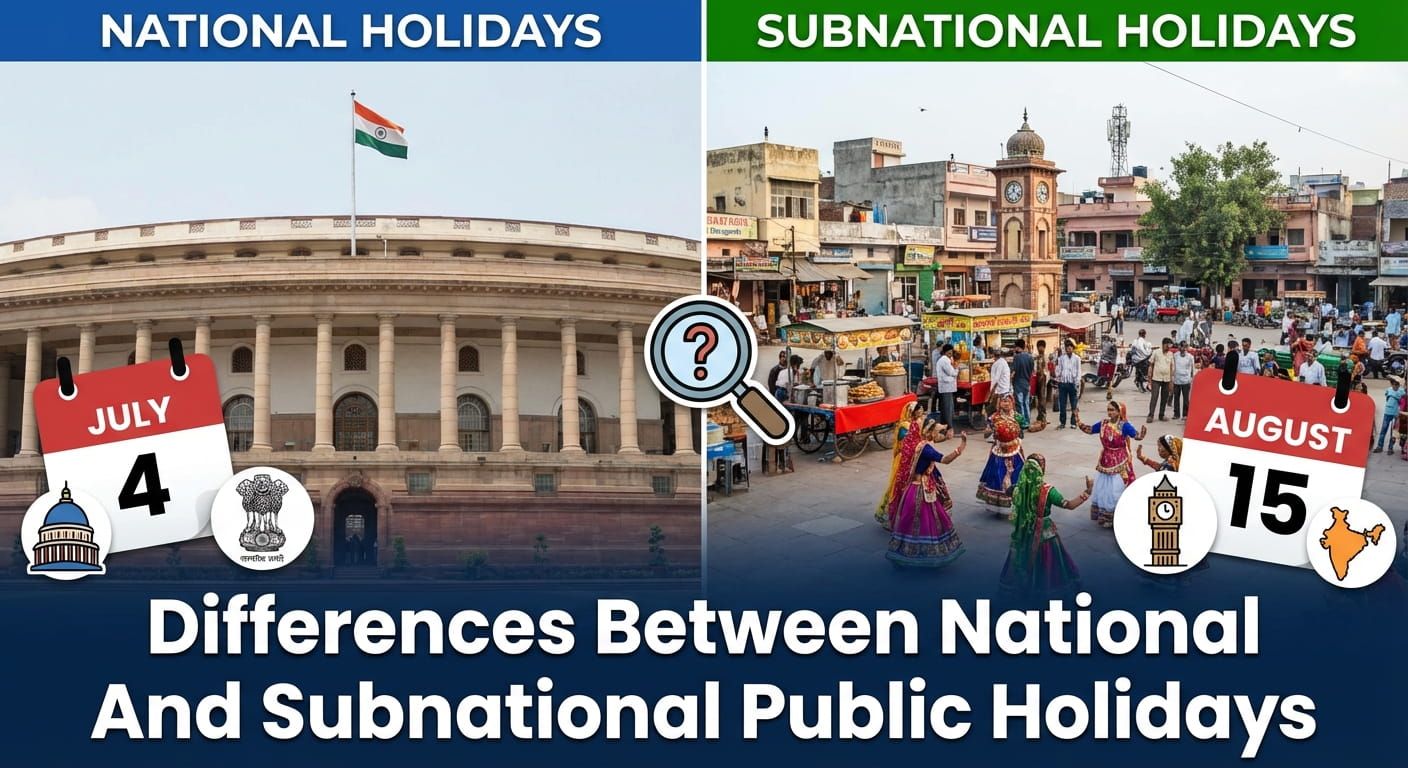
Federal countries can be tricky. A national holiday may have one rule, but state or provincial holidays may follow another. Even if a central government announces a substitute day, a local authority may not follow it. Travel plans and service availability can change drastically across a border you cross in a single train ride.
Bank Holidays Versus Public Holidays
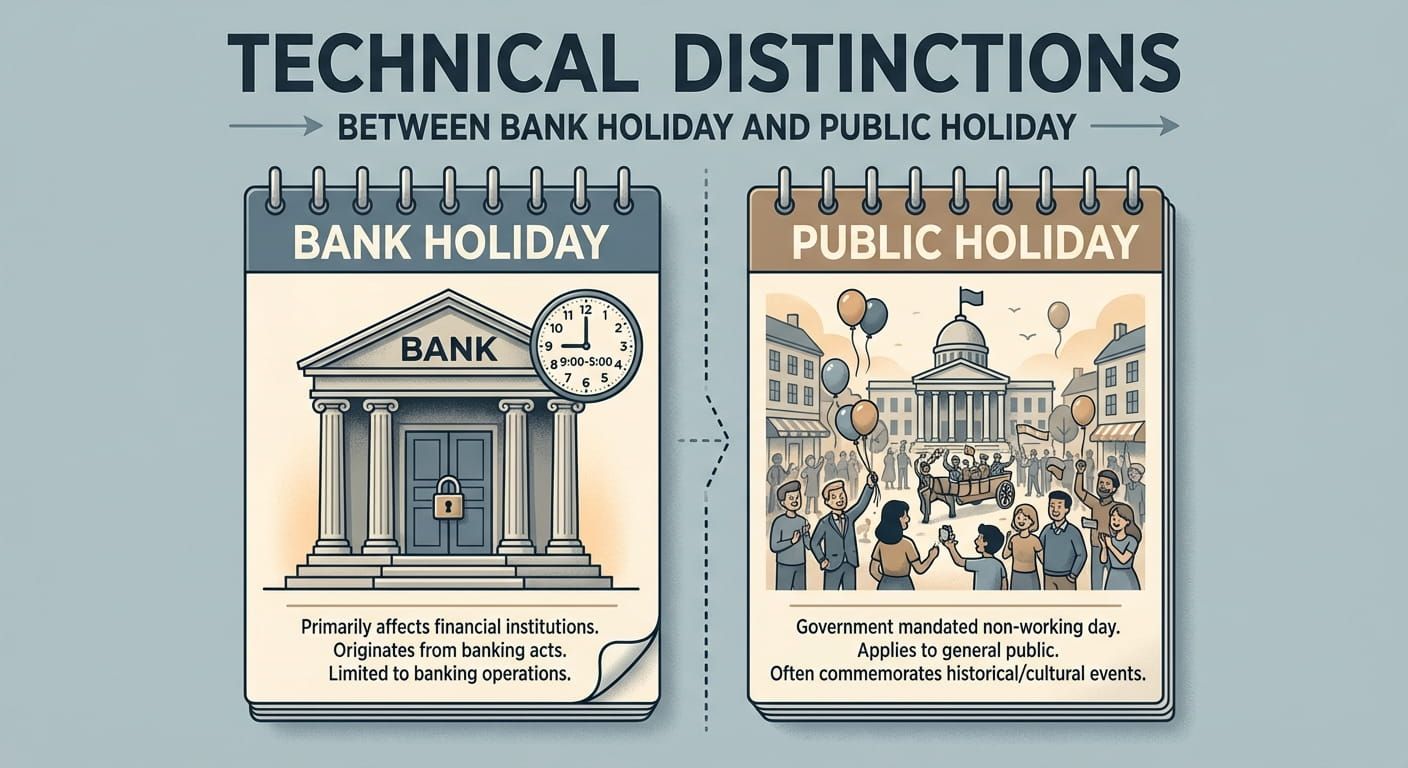
The phrase bank holiday signals one thing clearly, financial institutions close. Yet it does not always mean every worker has a day off. In some places, banks close while retail stays open. In others, schools close even if some private firms keep operating. Always match your question to the system you care about.
Using Data Instead Of Memory
If you are curious about how dense holiday calendars can get, the piece on countries with the most public holidays is a useful reminder that substitution rules are not only cultural, they are also practical. The more holidays a country has, the more careful it must be about how those days interact with weekends.
For everyday planning, the best habit is to keep one consistent source. A calendar that lists upcoming holidays for the next month is perfect for short term decisions like travel, shipping, and staffing. For long range plans, check annually updated government announcements where available, then confirm with a directory that updates observed dates.
How Businesses Usually Handle Weekend Holiday Pay
Even when the public rule is clear, employers still make choices. Many firms tie paid time off to the observed day. Some allow employees to take the actual day instead, especially in retail or hospitality. Some offer a floating holiday, meaning you choose a weekday off within a certain window.
Common workplace approaches:
- Observed day off, you get the substitute weekday.
- Actual date off, you get the weekend date, mostly relevant for weekend workers.
- Either or, managers approve a day that fits coverage needs.
- Floating day, you receive a credit to use later.
- Premium pay, you work the holiday and get higher pay instead of time off.
If you are setting expectations with clients, it helps to say which office follows which policy. The phrase public holiday can hide a lot of detail. Clear beats polite.
A Practical Checklist For Travelers
Weekend holidays affect crowds and opening hours more than people expect. Museums can close on observed days, not only on the actual holiday date. Government buildings and visa services may close on substitute weekdays. Use this checklist:
- Confirm the observed holiday date for the place you are visiting.
- Check if the day after becomes busy, especially if the holiday rolled forward.
- Expect transport peaks near long weekends.
- Look up whether banks close, it can affect cash services and transfers.
- Book time sensitive appointments away from substitute days.
Calendar Habits That Keep Everyone Calm
A calm team is one that shares the same view of the week. Weekend holiday rules often cause confusion because people assume their own country logic is universal. A small shared habit fixes that.
Phrase to use in messages: "Is that date the holiday date, or the observed day off in your country?"
That single question clears up most misfires. It also signals respect, because it treats local practice as real, not as a footnote.
Ending With A Calendar You Can Trust
Weekend holiday rules are not mysterious once you name the pattern. Sunday to Monday substitutions. Nearest weekday shifts. Next working day logic in different weekend systems. Rolling substitutes during clustered holidays. Sector specific calendars that change what is truly closed.
The win is not memorizing every rule. The win is building a habit, check the country, check the observed date, confirm the sector, then plan. Do that, and weekend holidays stop being a surprise and start being a predictable part of the year.